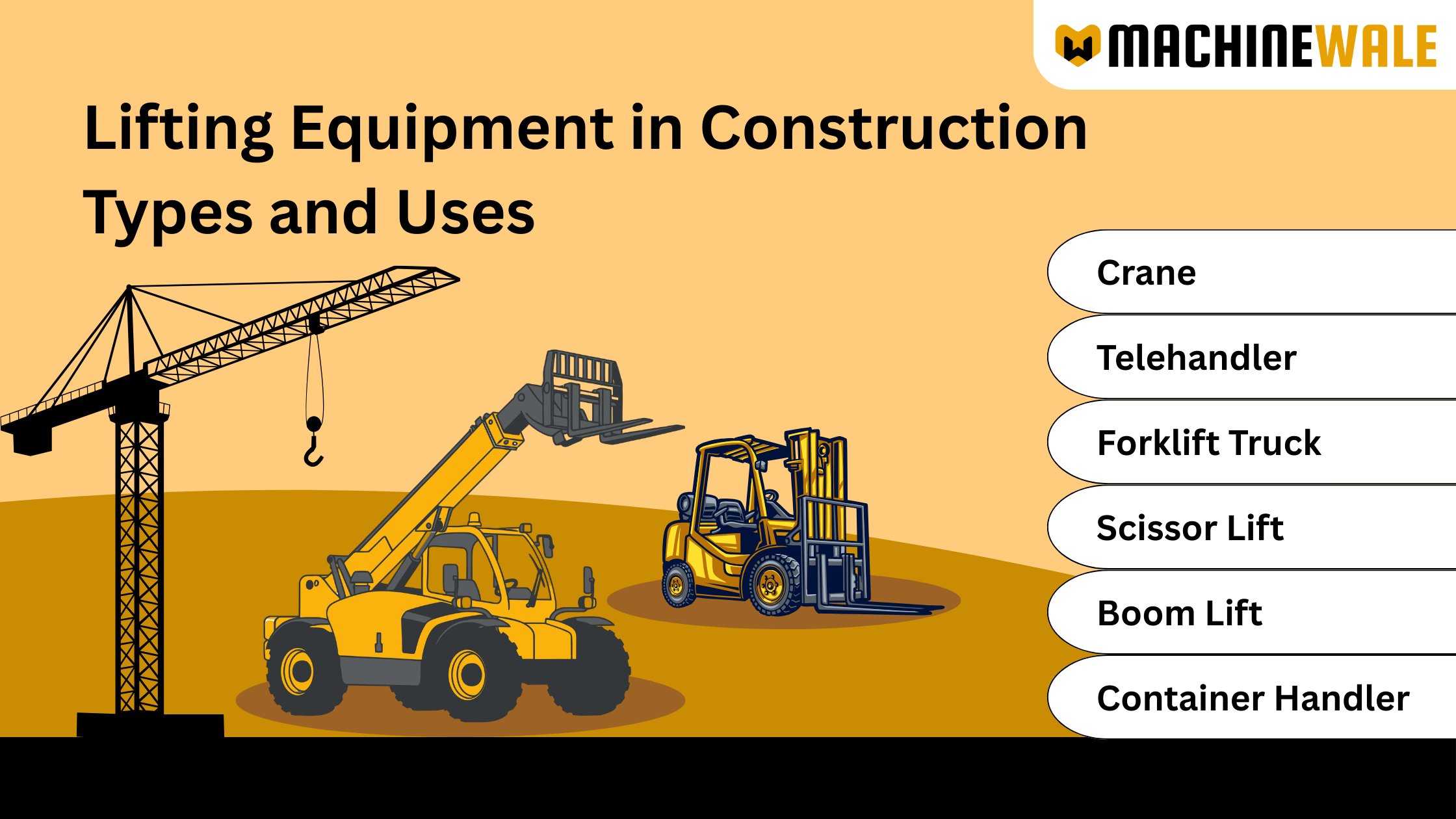
Lifting Equipment in Construction: Types and Uses
Updated on February 23, 2026
Lifting equipment is essential in the construction industry for handling heavy loads safely and accurately. In this modern construction era, different types of lifting machines and tools are available for specific tasks. It helps transport materials, ensures safe operations, and reduces manual labour.
Using the right lifting machines can protect workers, minimise breakdowns and injuries, and provide smooth and precise material handling operations. In this blog, we dive into different types of lifting equipment, their importance in construction, and selecting the right equipment to improve productivity and reduce downtime.
What Is Lifting Equipment in Construction?
Lifting machines and equipment are designed to lift, lower, and move materials safely on construction sites, in warehouses, and at ports. These machines play a crucial role in various industries and handle multiple tasks, such as lifting heavy loads and moving heavy objects effectively.
The most common types of lifting equipment include cranes, forklifts, telehandlers, container handlers, and boom lifts. Using these lifting machines on-site, you can reduce manual effort and maximise productivity. They provide safe and smooth material handling operations with their high lifting capacity and improved hydraulics.
Types of Lifting Equipment in Construction
Here is a list of the most common types of lifting equipment used in India.
Cranes
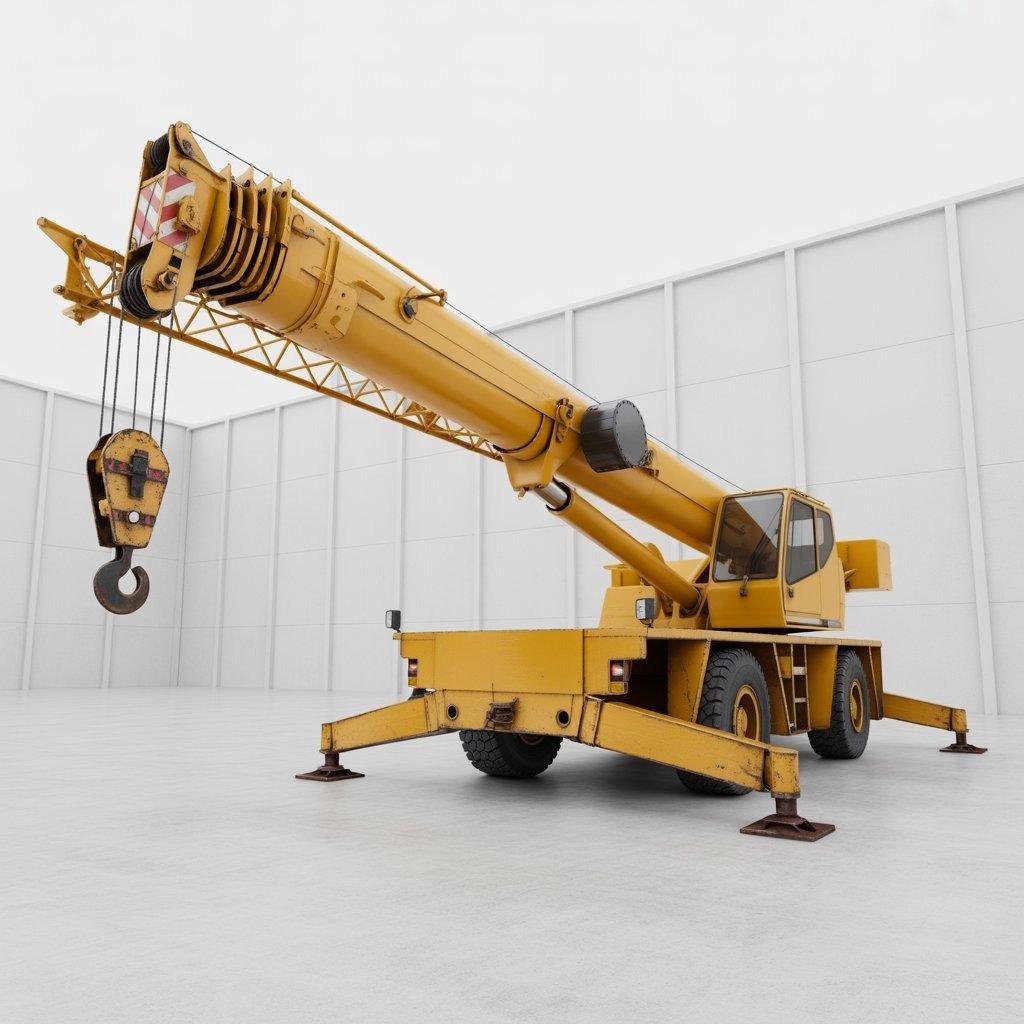
Cranes are one of the most commonly used pieces of lifting equipment in the construction industry. There are many types of cranes, including tower cranes, mobile cranes, and crawler cranes. These machines are used for lifting heavy objects and transporting materials in building construction and infrastructure development projects. They provide high lifting capacity, longer reach, and efficient material handling.
Telehandler
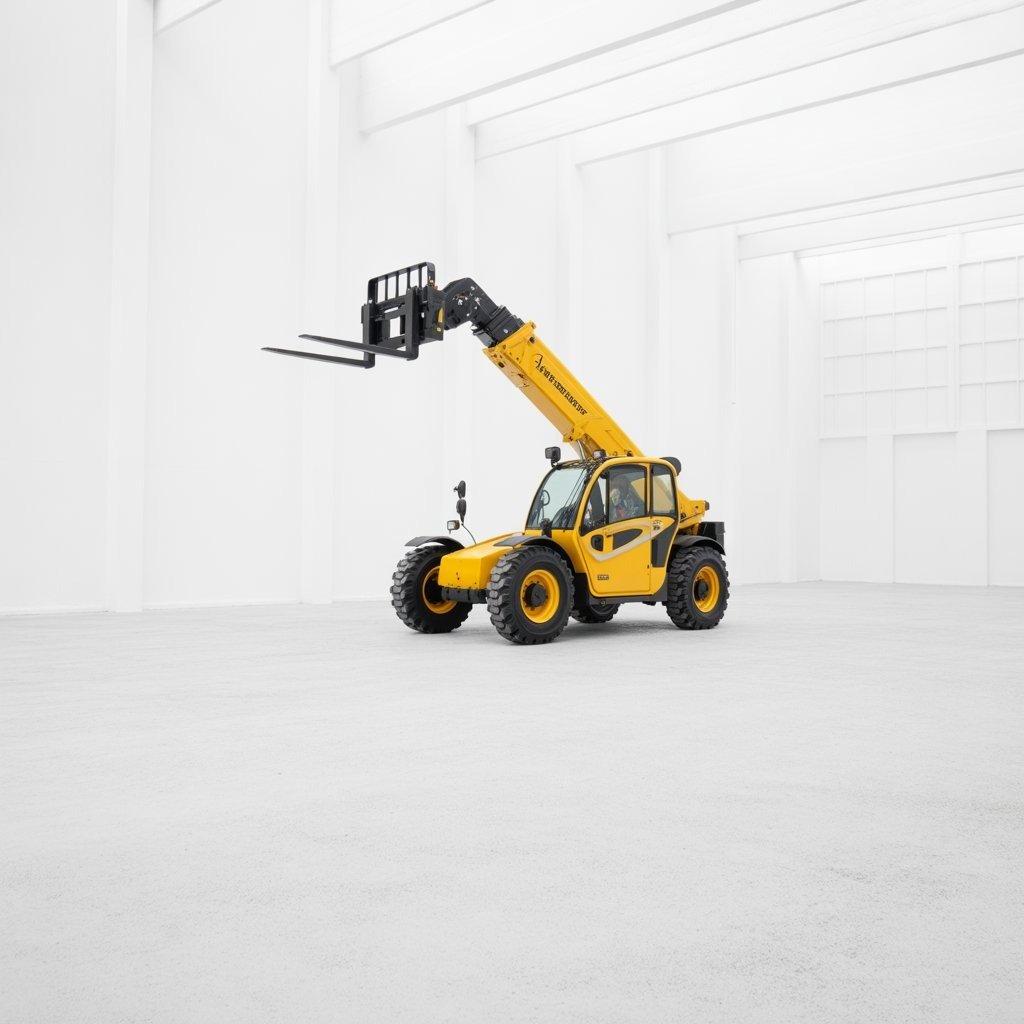
Telescopic handlers, or telehandlers, are used to lift and move materials through their long telescoping boom. They are designed to perform various tasks in multiple industries, including construction and industrial sectors. These versatile machines can work with multiple attachments. Telehandlers are a combination of a forklift and a crane, making them a suitable option for any type of lifting tasks.
Forklifts
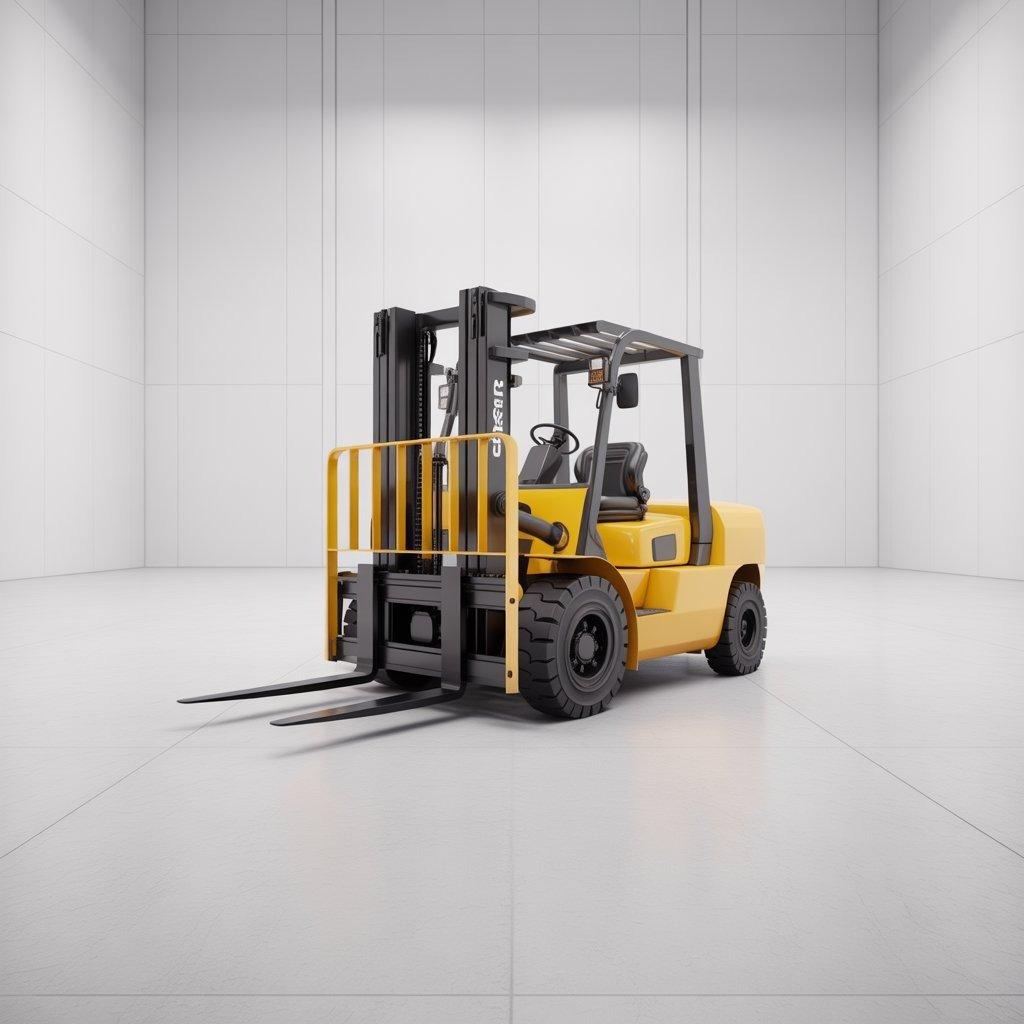
Forklifts are specially designed for industrial sectors to move and transport heavy objects and cargoes. They are equipped with forks at the front and superior hydraulics. This helps to reduce manual labour, enhance productivity, and provide high lifting capacity. In India, warehouses, factories, and engineering sectors widely use forklifts. Each forklift truck is designed for different projects across the industry.
Scissor Lifts
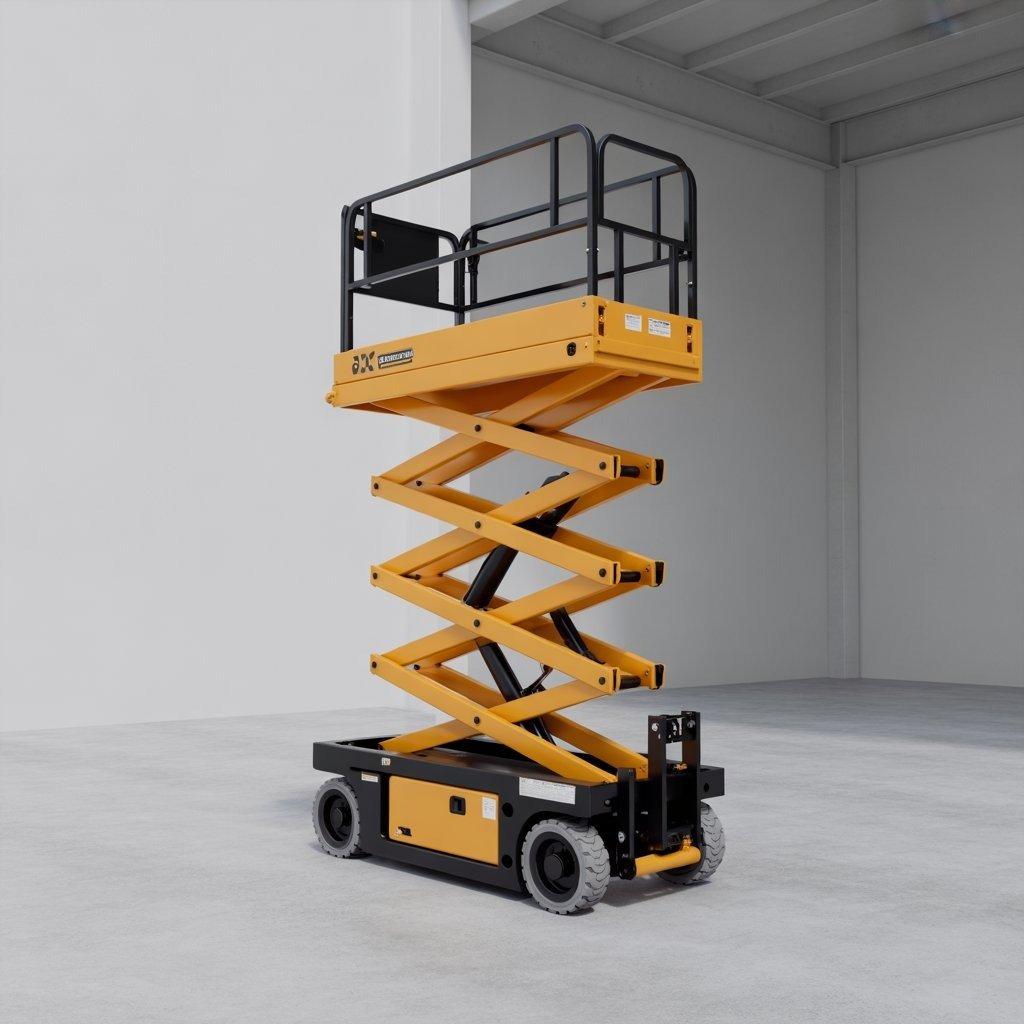
Scissor lifts are also known as mobile platforms. They use cross-balance support to move up and down. They can carry up to three people safely and move accurately. This machine is widely used for electrical installation, painting, maintenance, and interior work. Scissor lifts provide more stability than ladders and are especially useful in tight spaces where ladders are not safe for working at heights.
Boom Lifts
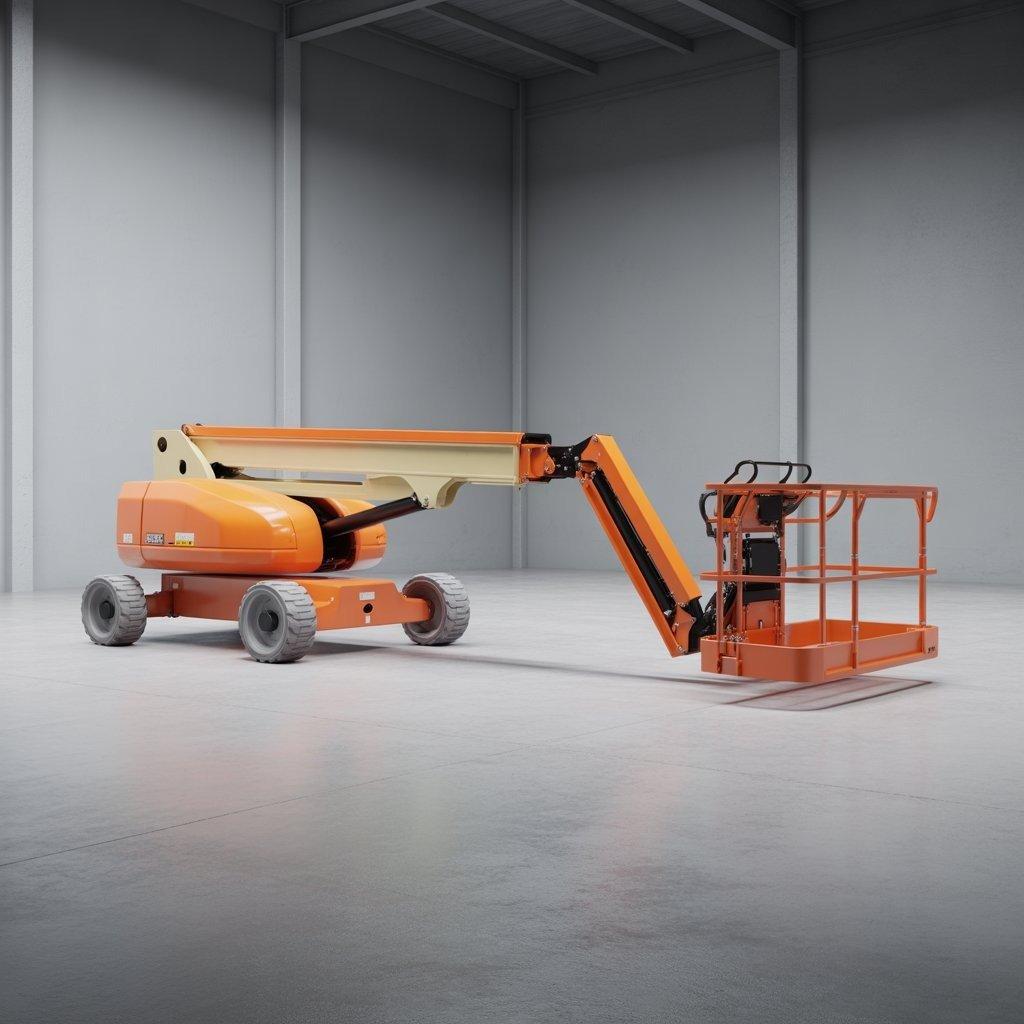
Boom lifts are designed to provide reach in many applications, including warehouses, facade work, maintenance tasks, steel erection, and more. These machines are equipped with a hydraulic arm and a stable platform, which efficiently handle lifting capacity and support movement in multiple directions. Boom lifts help increase productivity, reduce manual effort, and ensure safe operation.
Gantry Cranes and Overhead Cranes
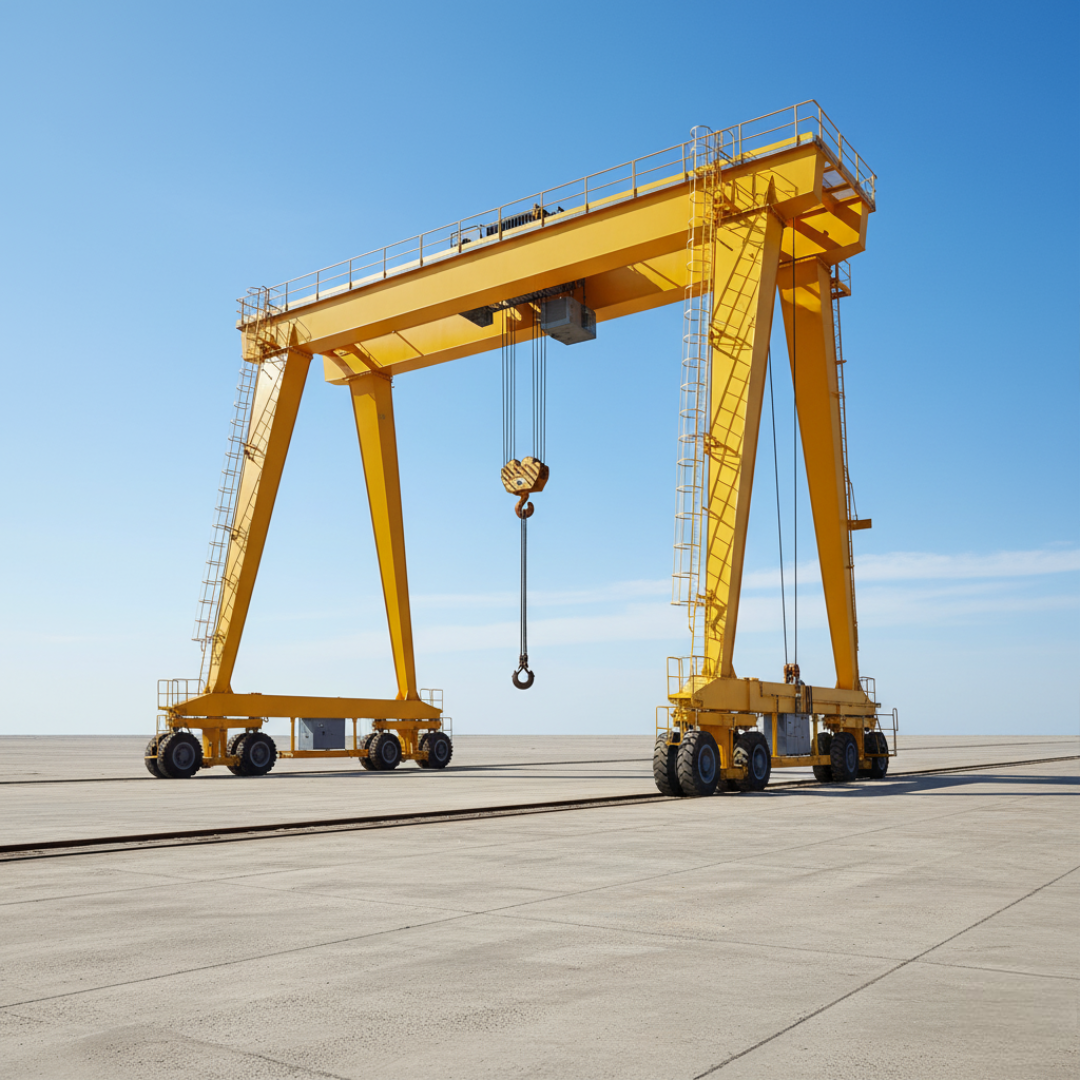
Gantry cranes, also known as overhead cranes, are large, fixed lifting machines equipped with supported horizontal beams or legs that move trolleys to transport materials. These machines are widely used in industrial sectors, manufacturing plants, and outdoor yards. They move on wheels attached to their legs or horizontal beams. Overhead cranes offer high efficiency and safety in lifting operations, especially in large-scale manufacturing environments.
Container Handler
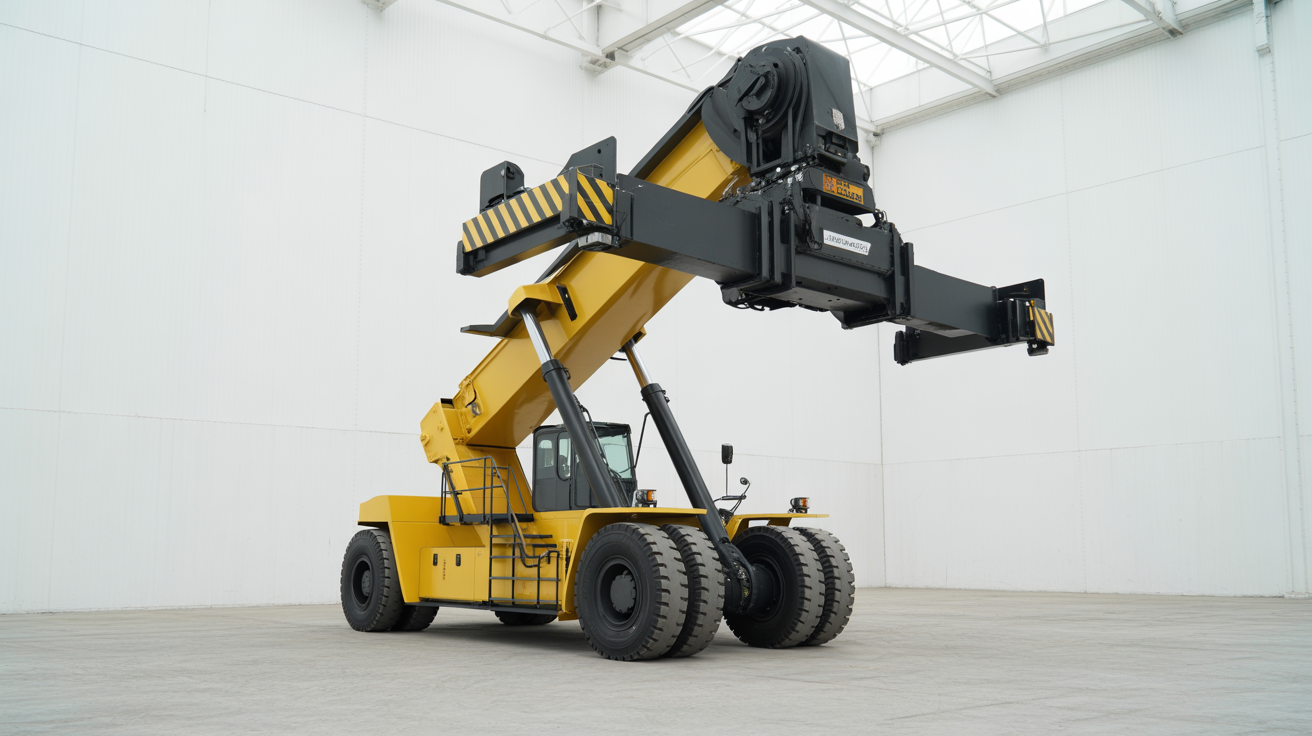
Container handlers are specially designed for lifting and moving heavy shipping containers. These machines are commonly used in ports, logistics hubs, and large infrastructure projects. They are equipped with a strong hydraulic system on their chassis that efficiently handles heavy containers on the worksite. They can improve operational efficiency, reducing risks and downtime. They help to move extremely heavy loads faster and more safely.
Importance of Lifting Equipment in Construction Projects
In India's modern construction projects, lifting equipment is essential for safely and efficiently handling heavy materials. Lifting machinery helps reduce on-site accidents and labour risks, and protects workers from major injuries on-site.
Lifting operations require proper planning to improve productivity, maintain load stability, and secure material handling operations across different sectors. With trained operators and proper supervision, lifting operations are easy to handle with safety and precision. Using well-maintained equipment, businesses can complete tasks and projects faster while keeping safety standards.
Choosing the Right Lifting Equipment for Your Construction Needs
Selecting the right lifting equipment depends on several factors, including the required lifting height, site conditions, lifting capacity, and working in small spaces. There are various types of equipment available for lifting and transporting heavy loads efficiently. It reduces manual handling of construction materials and improves safety in the workplace during lifting operations.
Choosing the right equipment is about meeting your project's needs and maximising productivity. Platforms like MachineWale make your decision process easy and allow you to browse, compare, analyse, buy, sell, or rent your material handling equipment with genuine users across India.
Start Managing your Business Automation from Anywhere.
Get Started Now