Different Types of Road Rollers and Their Uses
Updated on February 23, 2026
In India, we often see damaged and poor roads, mainly due to poor compaction. Proper compaction is crucial in road construction for long-term durability and improves safety. As per the Ministry of Road Transport and Highways, India constructs kilometres of roads every year, but quality road work is more important. Using the right types of road rollers helps achieve proper asphalt compaction and create smooth, even surfaces. Road roller machines are widely used to compact loose materials, prevent potholes, and improve road durability.
What is a Road Roller?
A road roller is a reliable solution for building roads and highways. It is widely used for compacting soil, gravel, wet sand, and asphalt by applying uniform pressure. Road rollers are widely used in road construction to compact soil, remove air gaps, and create a strong base layer.
They improve the load-bearing capacity of various surfaces such as highways, city roads, parking lots, and foundations, where flat surfaces are required. Different types of rollers, including vibratory, smooth-wheeled, pneumatic, and sheepsfoot rollers, are built for specific tasks and applications. Additionally, road rollers work efficiently even in tight spaces and large infrastructure projects.
Top Road Roller Models in India
Different Types of Road Rollers Used in Construction
Different types of rollers are built for specific tasks and soil conditions. Below are listed some of the commonly used rollers in Indian road construction projects.
Smooth Wheel Rollers
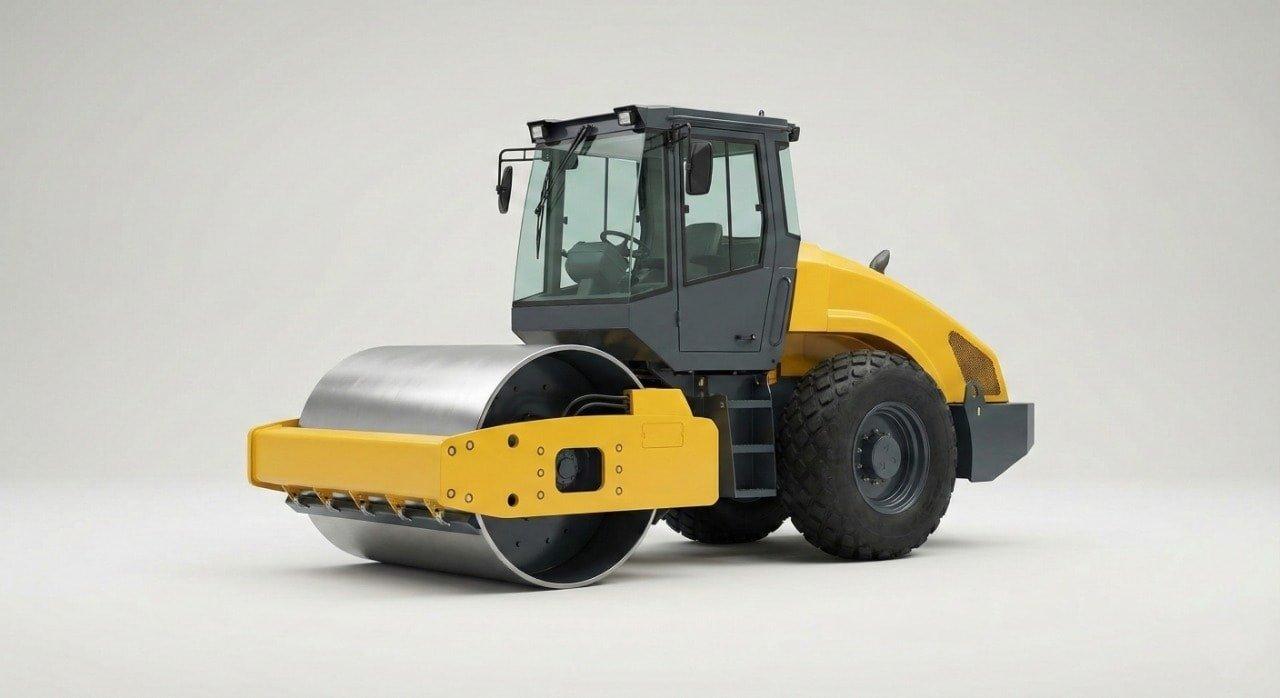
Smooth wheel rollers are also known as static rollers or tandem rollers. They come with cylindrical metal drums that help create smooth and flat surfaces. The machine's operating weight is around 8 to 10 tons and can be ballasted up to 20 tons. These rollers are ideal for finishing work in various applications. Additionally, static rollers are comfortably working near vibration-sensitive areas because they reduce structural risk during compaction.
Best Used For
- Type of Soil: Granular soil and dry sand
- Project Stage: Final surface finishing
- Suitable Layer Thickness: Approximately from 25 to 75 mm
Single Drum Road Rollers
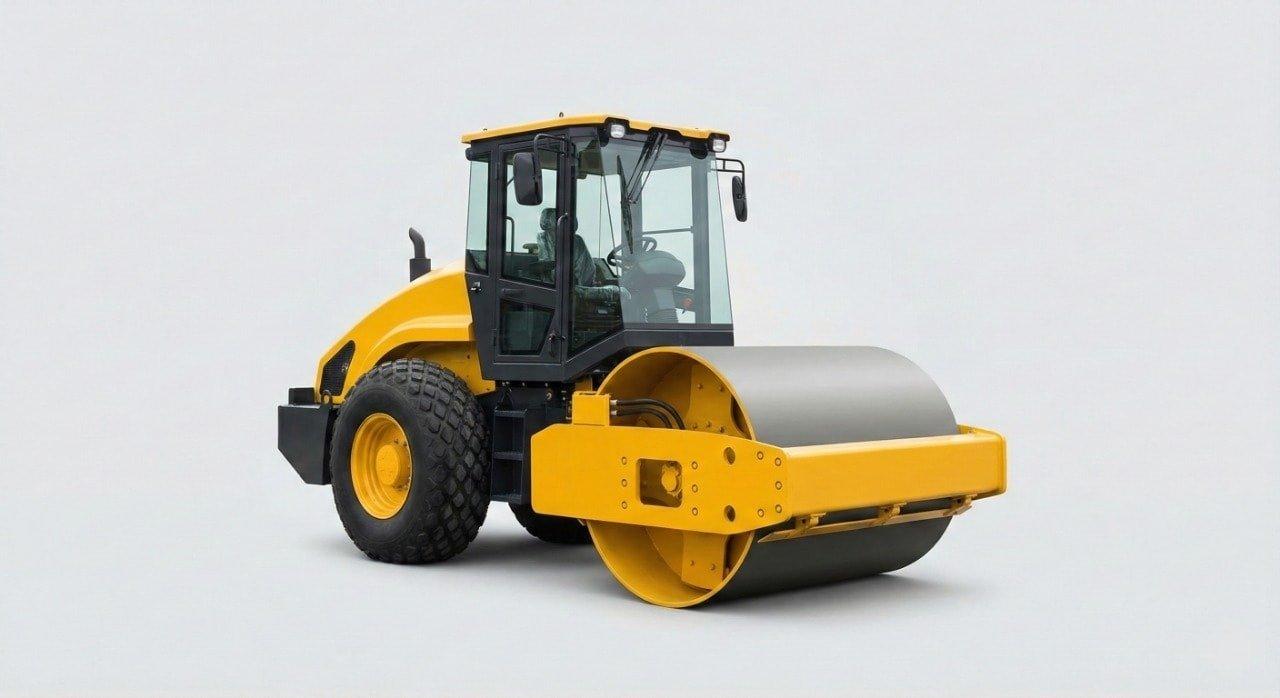
A single drum roller features a large steel drum at the front and rubber tyres at the rear. It's commonly used for compacting loose soil and gravel. These heavy-duty rollers offer a higher compaction depth and create a suitable surface for highways and foundation works. Large infrastructure and road construction mostly use these rollers for better output on even and uneven ground.
Best Used For
- Type of Soil: Loose and mixed soil
- Project Stage: Base layer compaction
- Suitable Layer Thickness: approximately from 150 to 300 mm
Double Drum Road Rollers
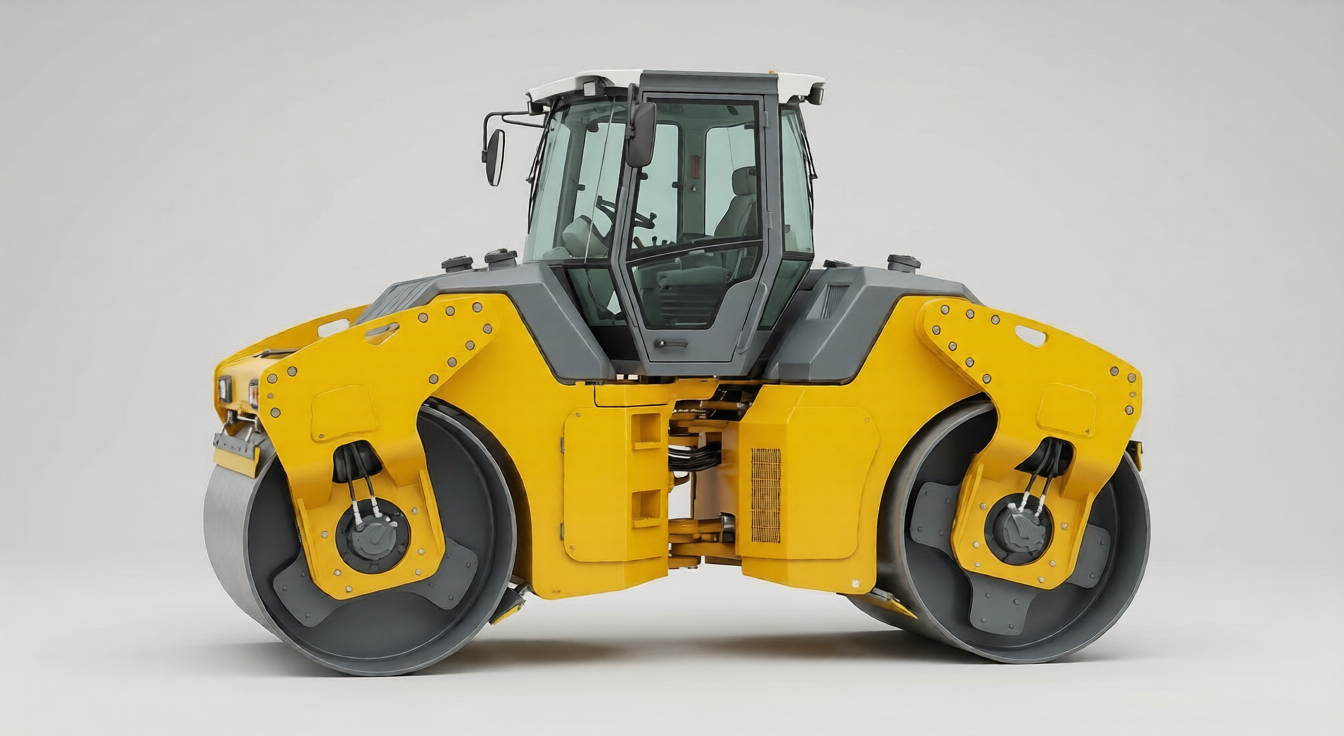
Double drum rollers, equipped with two steel drums, offer higher compaction efficiency for asphalt layers. It is also known as a tandem roller and is widely used in highway construction for making smooth surfaces for transportation. Its weight distribution system provides better compaction and uniform pressure across the road. Double-drum rollers are mostly used for asphalt paving during the final stage of operations.
Best Used For
- Type of Soil: Asphalt mix and surface aggregates
- Project Stage: Asphalt paving and final compaction stage
- Suitable Layer Thickness: approximately from 20 to 100 mm
Vibratory Road Rollers
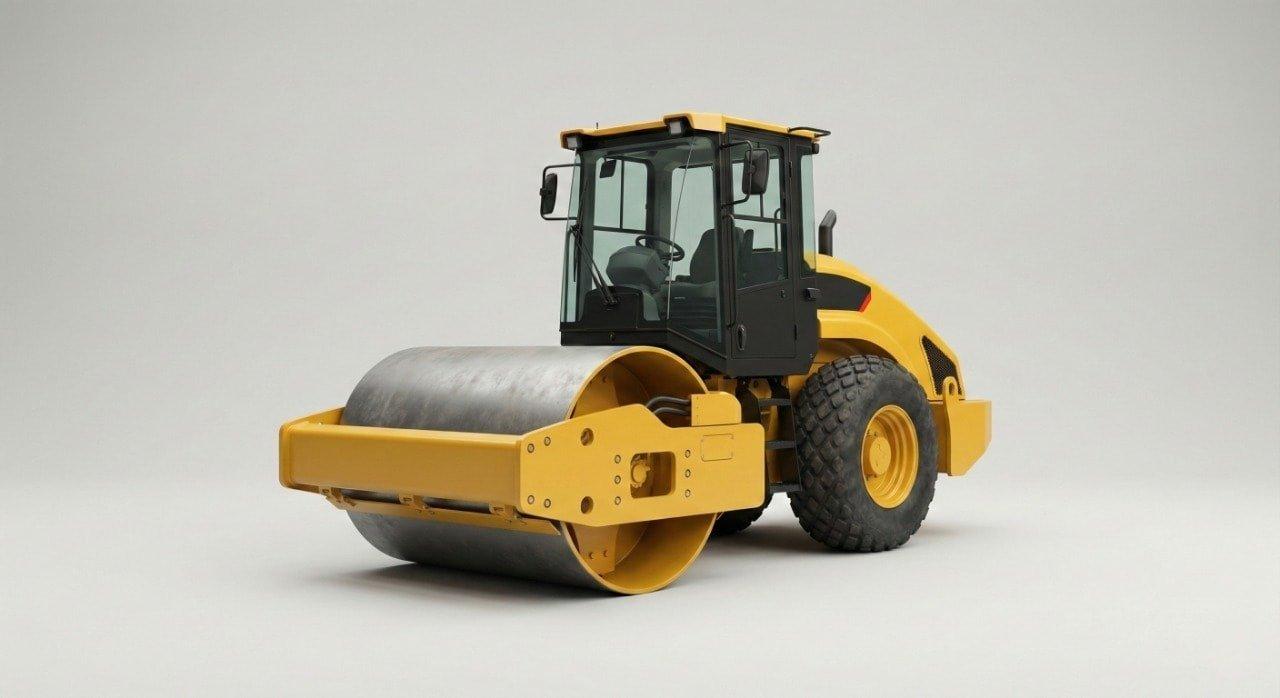
A vibratory roller is combined with a vibration system that increases compaction efficiency. Its weight capacity ranges from 3.5 to 12 tons. It is most effective for granular materials like sand, aggregates, and wet sand. Vibratory rollers are widely used in thick layers in road construction for achieving higher output. This roller provides better results and higher compaction compared to static rollers in highways and large pavement projects.
Best Used For
- Type of Soil: Crushed stone and aggregates
- Project Stage: Base preparation in large infrastructure projects
- Suitable Layer Thickness: approximately from 200 to 600 mm
Pneumatic Tyred Rollers
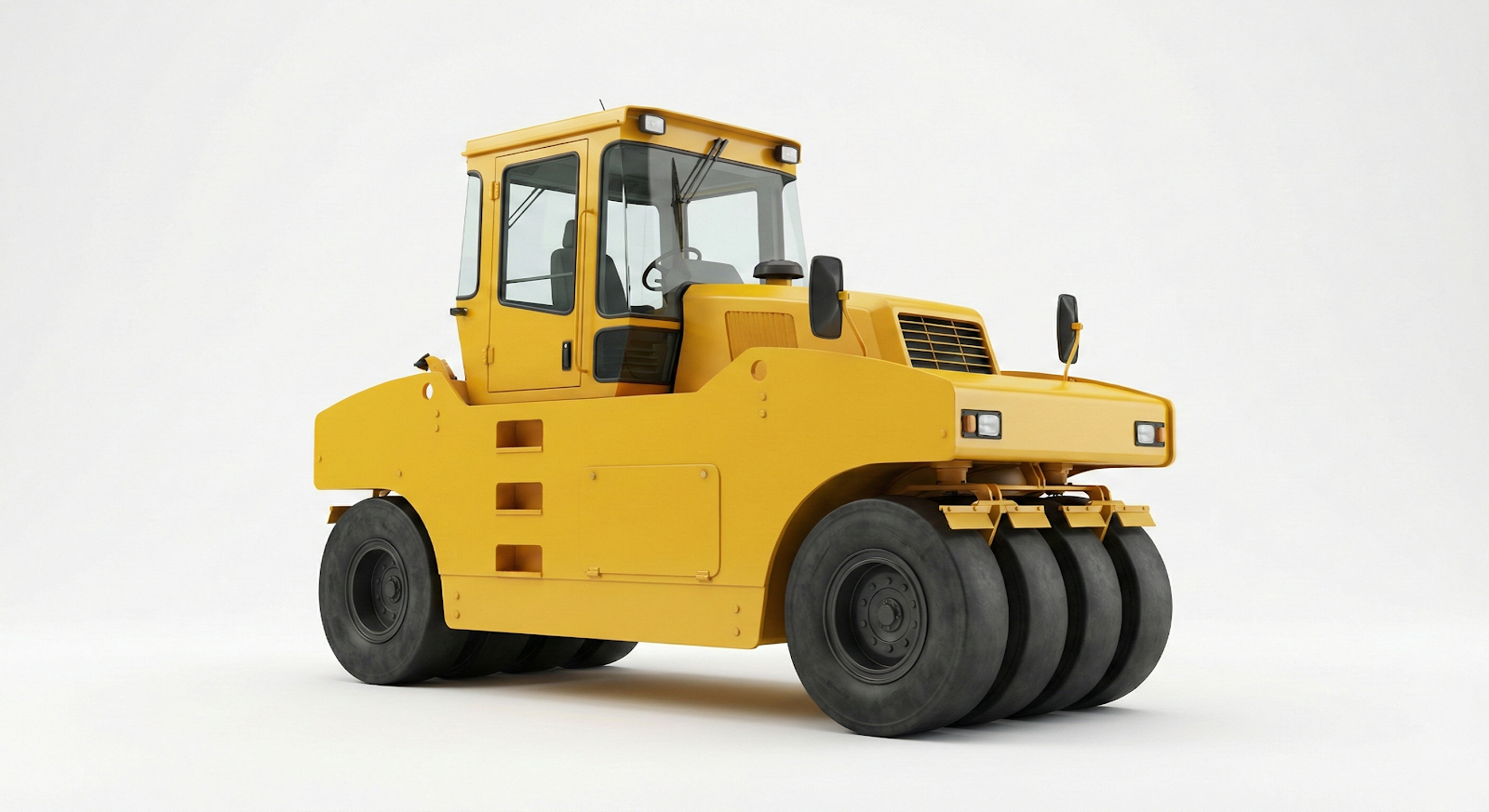
Pneumatic rollers combined with multiple rubber tyres instead of steel drums. These rollers use kneading action and adjustable air pressure for smooth compaction on asphalt layers. They are widely used for finishing work in various applications. Generally, the machine is used after vibratory compaction for improving surface durability and road life.
Best Used For
- Type of Soil: Bitumen surfaces and fine-grained soil
- Project Stage: Surface compaction after vibratory rollers
- Suitable Layer Thickness: approximately from 50 to 150 mm
Sheepsfoot or Padfoot Rollers
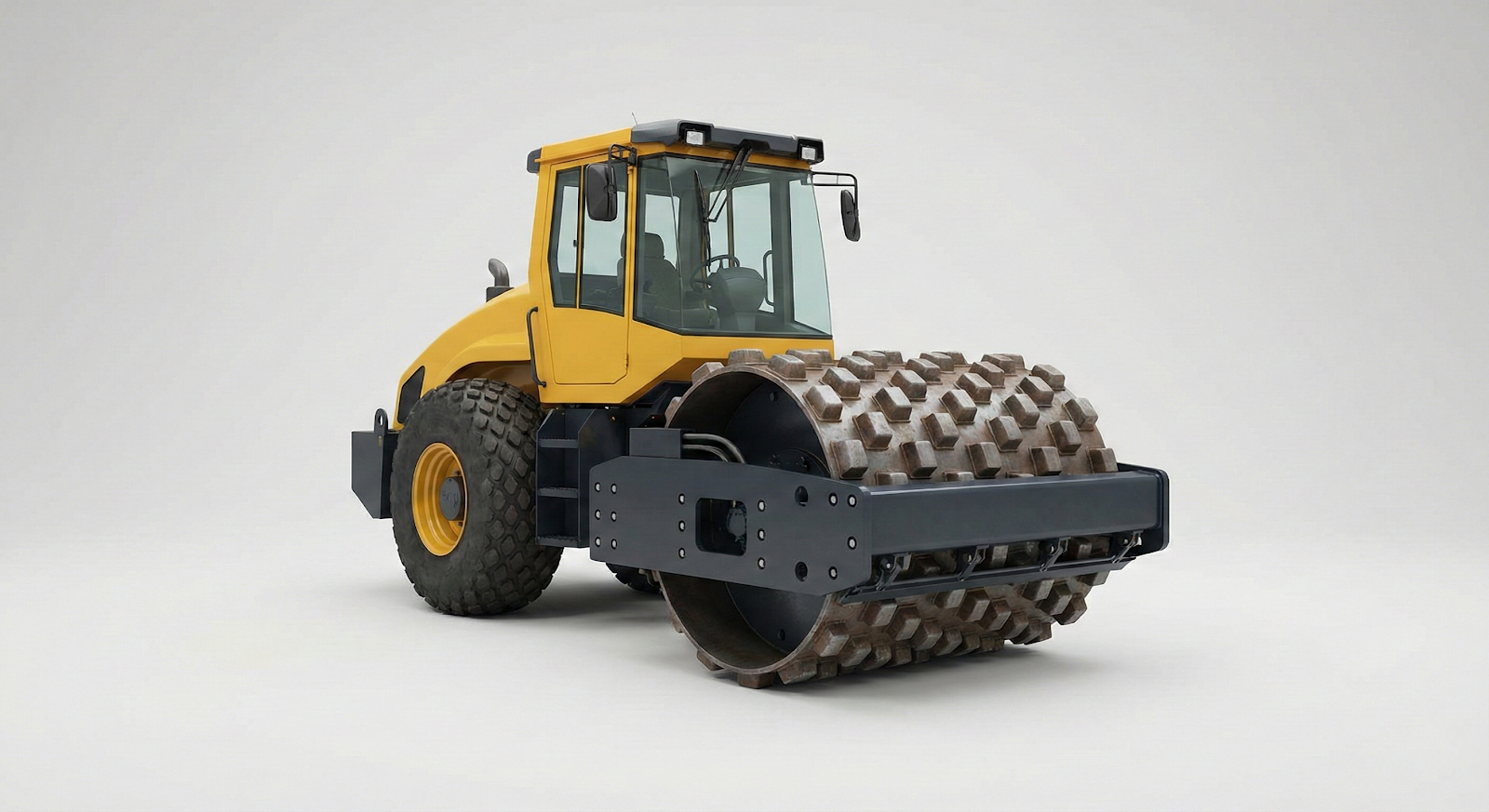
Sheepsfoot rollers are also known as tamping rollers. They are mainly used for compacting cohesive soils like clay. They are combined with spindle-shaped feet that provide high contact pressure. This type of roller is widely used in applications such as embankments, rail projects, and base preparation. Sheepsfoot rollers are effective machines for up to 40-50 cm thick soil layers and provide strong soil compaction.
Best Used For
- Type of Soil: Clay and cohesive soil
- Project Stage: Embankment preparation and subgrade compaction
- Suitable Layer Thickness: approximately from 300 to 500 mm
Common Applications of Road Rollers in Construction
Road rollers are designed for different purposes and applications. Each one is selected based on soil type, layer thickness, and project size. Below are listed some common applications of road rollers in India.
Highway Construction
Multiple rollers are used in highway projects. At the beginning of projects, vibratory rollers were first used for compacting loose soil and base aggregates. After that, a double-drum roller or tandem roller is used for asphalt finishing. and in the last used heavy roller drums for applying uniform pressure to create a strong surface.
Road Maintenance & Resurfacing
During road maintenance, pneumatic rollers remove air gaps and press asphalt layers completely.
Foundation Preparation
Tamping rollers are mainly used in foundation work to compact soil deeply and improve load-bearing capacity.
Industrial & Yard Surfaces
A roller compactor is used for levelling concrete blocks or industrial flooring in yards and industrial zones.
Why Choosing the Right Road Roller Improves Project Quality
Selecting the right road roller is essential for higher compaction efficiency, smooth surfaces, road durability, and lower operational costs. Selecting a road roller is based on some key factors, including soil type, layer thickness, and project size. It can prevent cracks and potholes and improve overall structural strength in the project. Additionally, proper compaction reduces rework and increases surface durability for a long time.
Make this process easy and simple through trusted online platforms like MachineWale, which help to explore, buy, sell, and rent road rollers from one place. Also, you can easily compare different road rollers by key specs, features, price ranges, and locations.
Start Managing your Business Automation from Anywhere.
Get Started Now