Exploring Different Types of Excavator Machines and Their Uses
Updated on February 23, 2026
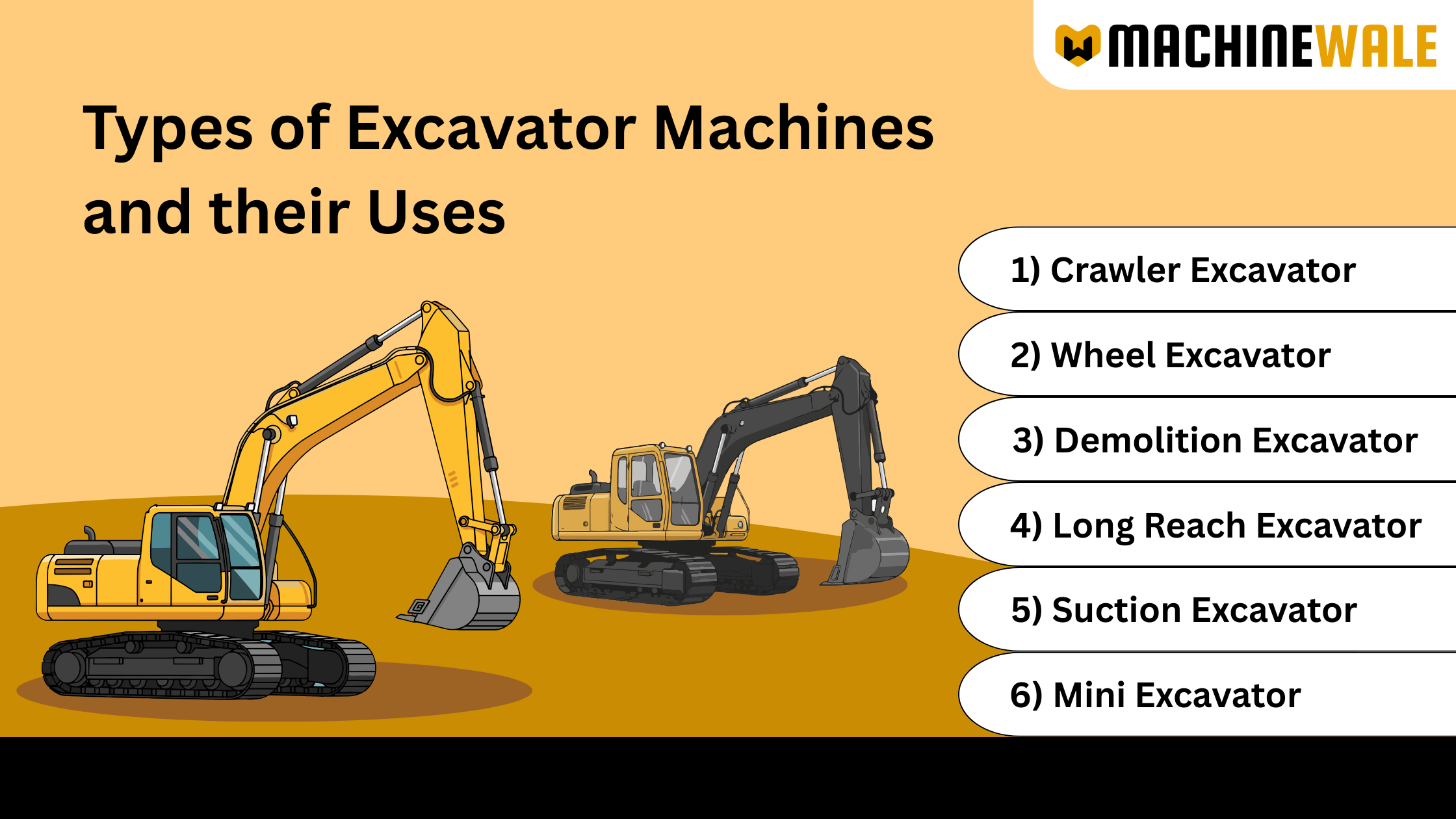
Excavator machines come in different types: crawler, wheeled, dragline, mini, long reach, amphibious, demolition, and more. Each type of excavator is used for various tasks, including digging, lifting, and earthmoving operations, across industries such as construction, mining, demolition, and waterworks. In the construction industry, choosing the best excavator for your project is essential. It will boost your project efficiency, reduce downtime, control operational costs, and improve productivity on the job site.
Platforms like MachineWale simplify the process of exploring and comparing different brands of excavators in one place. They offer detailed key specs, features, images, and more of each excavator model, helping you choose the right one for your needs.
Top 9 Types of Excavator Machines
Below are the most common types of excavators and their applications, along with their features.
Crawler Excavators
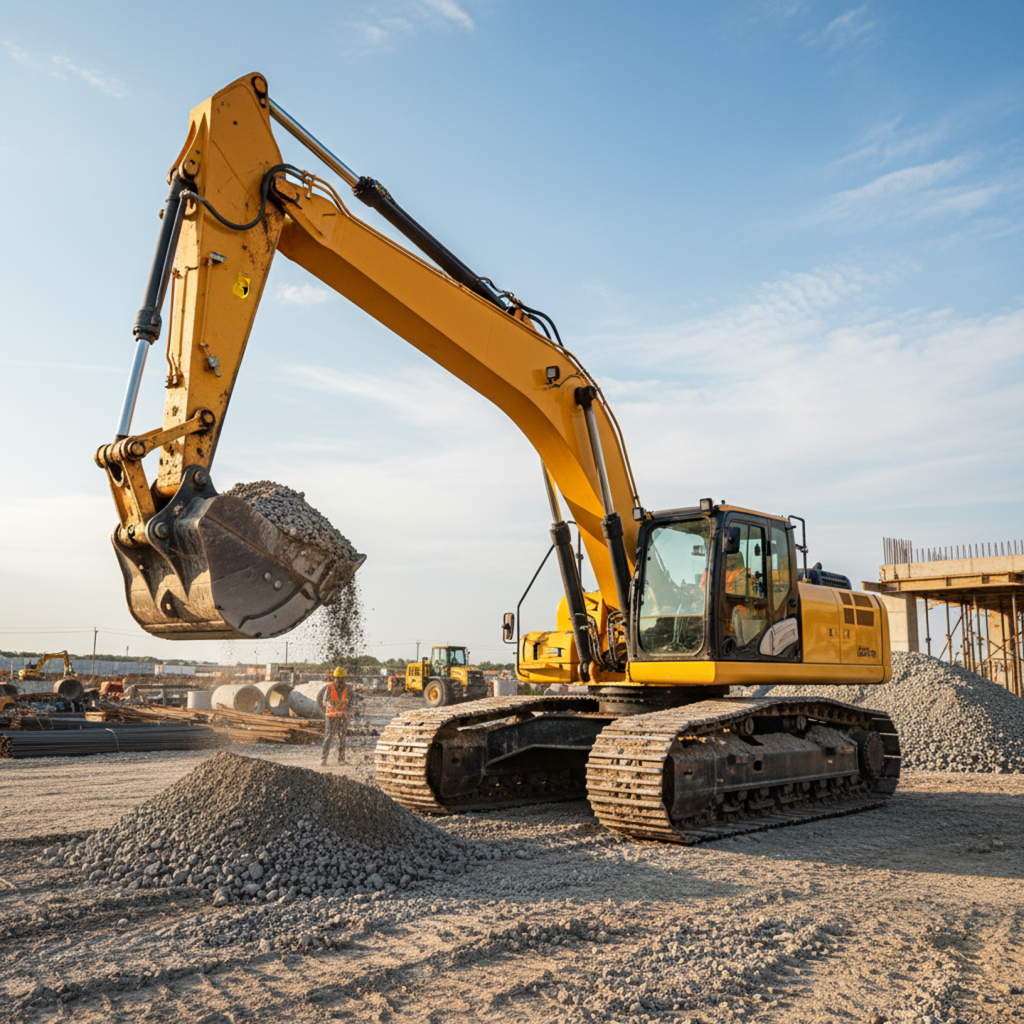
Crawler excavators, also known as track excavators, are widely used on construction sites. They move on tracks instead of wheels, making them perfect for soft ground, rough terrain, and digging trenches. These heavy-duty machines offer superior balance and stability, keeping the crawler excavator running effectively on any uneven terrain.
Key Features
- Strong booms, arms, and hydraulics for superior digging power.
- Built from heavy-duty steel for work in any environment.
- Tracks provide traction and stability on rough or soft ground.
| Pros | Cons |
| Excellent stability and digging power. | Slower movement than wheeled excavators. |
| Ideal for heavy loads and large projects. | Higher fuel consumption costs and challenges in transporting. |
Most Suitable Crawler Excavators in India
Wheeled Excavators
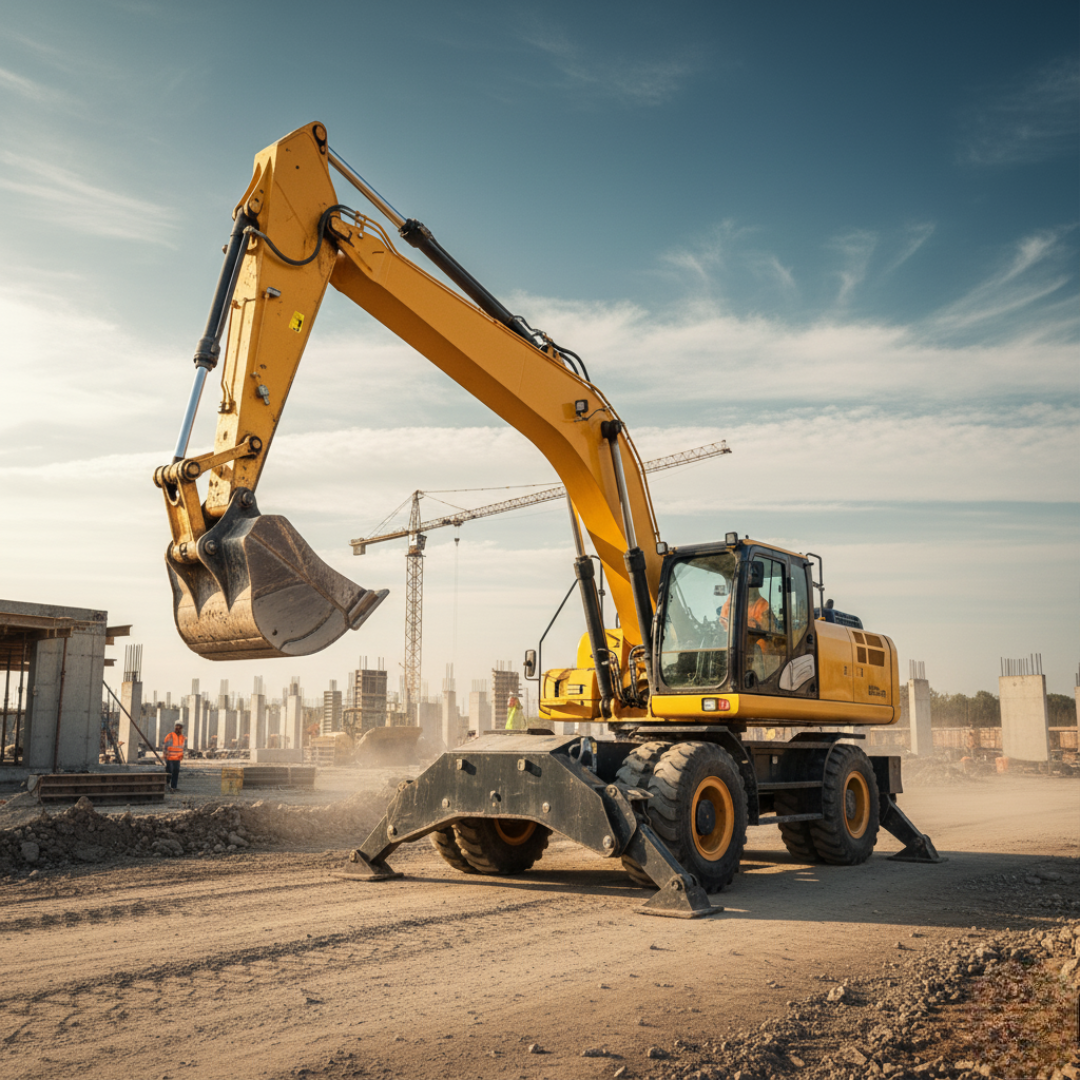
Wheeled excavators come in similar sizes and capabilities to crawlers but move on wheels instead of tracks. It helps in moving fast, and it's also ideal for urban construction sites, residential construction, and places where frequent movement is needed. This heavy equipment offers less damage to surfaces and faster work with its movement.
Key Features
- Quick movement for faster work
- Reduced surface damage compared to the track
- Saves time with faster travel speed
| Pros | Cons |
| Easy to transport between sites | Limited performance on rough or muddy terrain |
| More fuel-efficient compared to tracked excavators | Less digging depth than crawlers |
Most Suitable Wheeled Excavators in India
Dragline Excavators
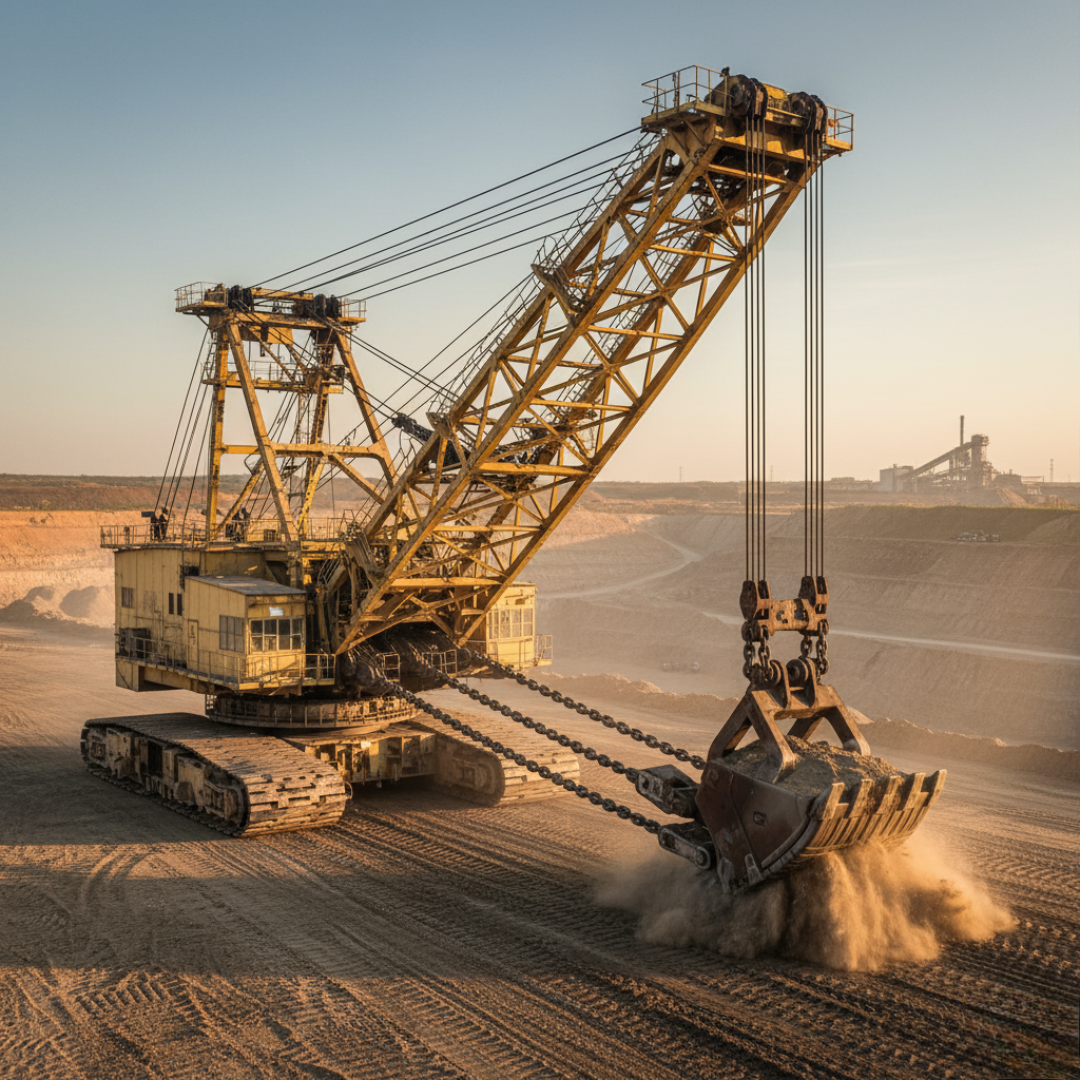
The dragline excavator is a versatile machine that can be used in mining and large-scale earthmoving projects. It is combined with a large bucket along with a dragline wire rope system, offering a long reach boom and higher productivity than other types of excavators. Dragline excavators are essential in quarrying and civil engineering projects.
Key Features
- Built to handle huge amounts of material at one time.
- Comes with a rope and pulley system instead of hydraulics.
- Provides high efficiency in large-scale excavation and overburden removal.
| Pros | Cons |
| Suitable for the mining industry and large construction operations | The maintenance and operational costs are very high |
| Cover more depths and distances than standard excavators. | High transportation costs and highly skilled operators are required. |
Demolition Excavators
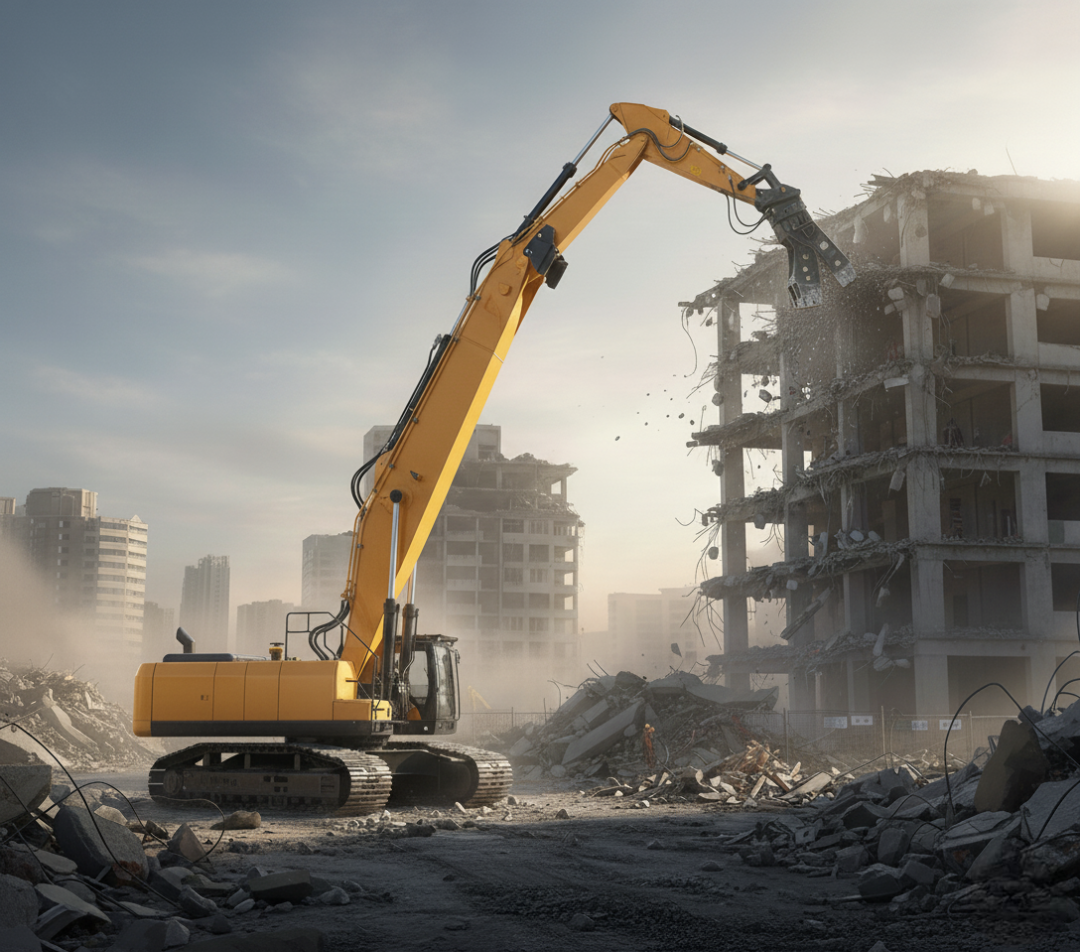
Demolition excavators are larger than standard excavators and are equipped with advanced hydraulic systems that ensure safe structure demolition. They can work with various attachments, including shears, crushers, breakers, and grapples. The choice of attachment depends on the demolition project to ensure effective building dismantling.
Key Features
- equipped with high-strength steel structures
- designed for demolition projects
- handles heavy attachments with its powerful hydraulic systems
| Pros | Cons |
| Higher productivity and speed in demolition projects compared to other excavators. | High operating weight reduces working capacity in urban and confined areas. |
| Ability to work with specialised attachments like crushers, shears, and grapples. | High fuel consumption and operating costs due to the large size and powerful engine. |
Most Suitable Demolition Excavators in India
Suction Excavators
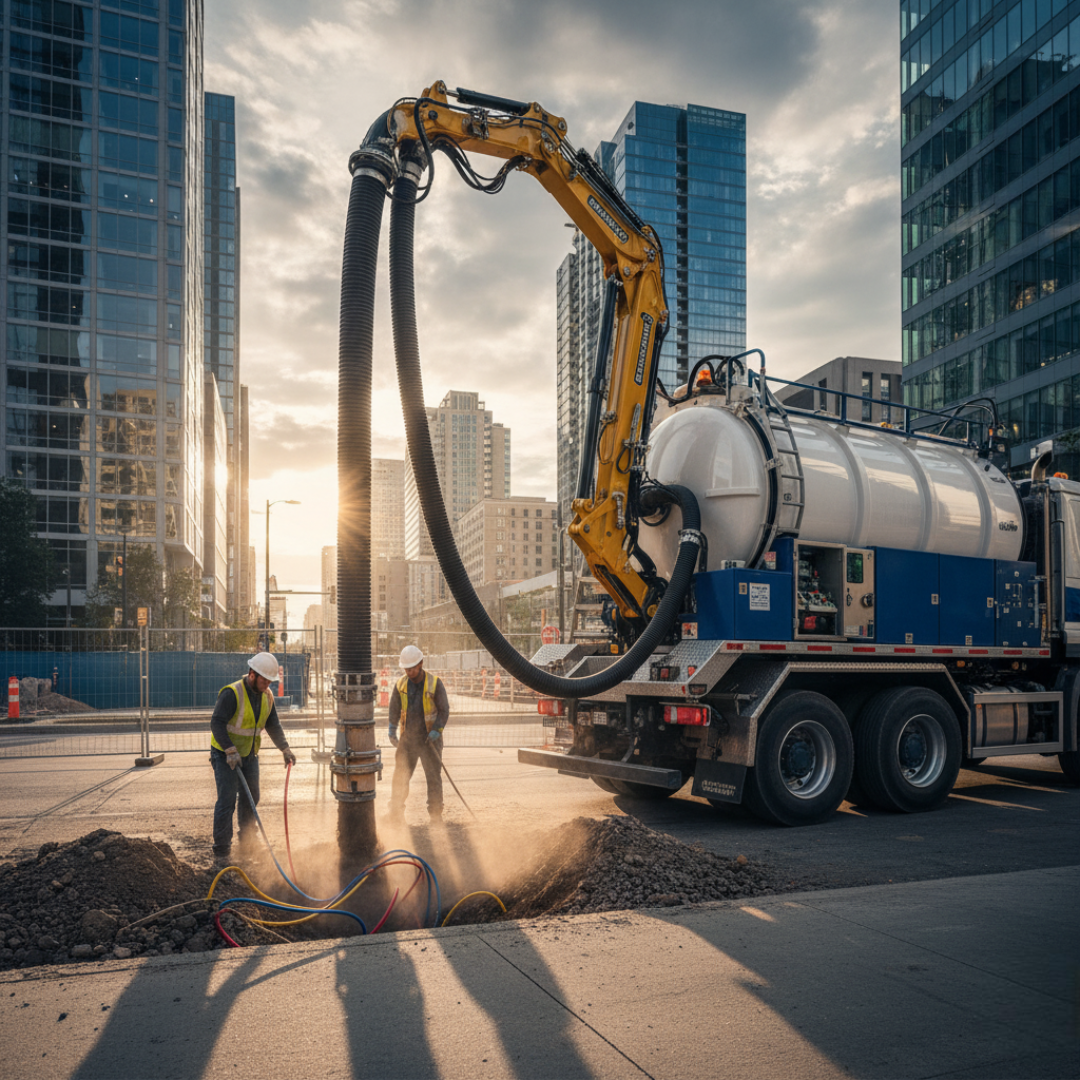
Suction excavators are also known as vacuum excavators. These machines use a high-powered suction system to remove soil and debris efficiently. It's ideal for precise digging, utility installation, and underwater digging projects. It has a powerful suction pipe, which can quickly loosen soil and deliver safe and accurate results in sensitive areas.
Key Features
- Comes with a powerful vacuum and water jet system for efficiently loosening soil.
- Built for utility installation for reduced environmental and ground damage.
| Pros | Cons |
| Safely vacuum dust and debris from underground pipes and cables without any damage. | Not suitable for large-scale applications due to its compact-sized vacuum pipes |
| Reduces environmental impact from their powerful vacuum systems. | High maintenance and fuel costs due to complex vacuum and filtration systems |
Long Reach Excavators
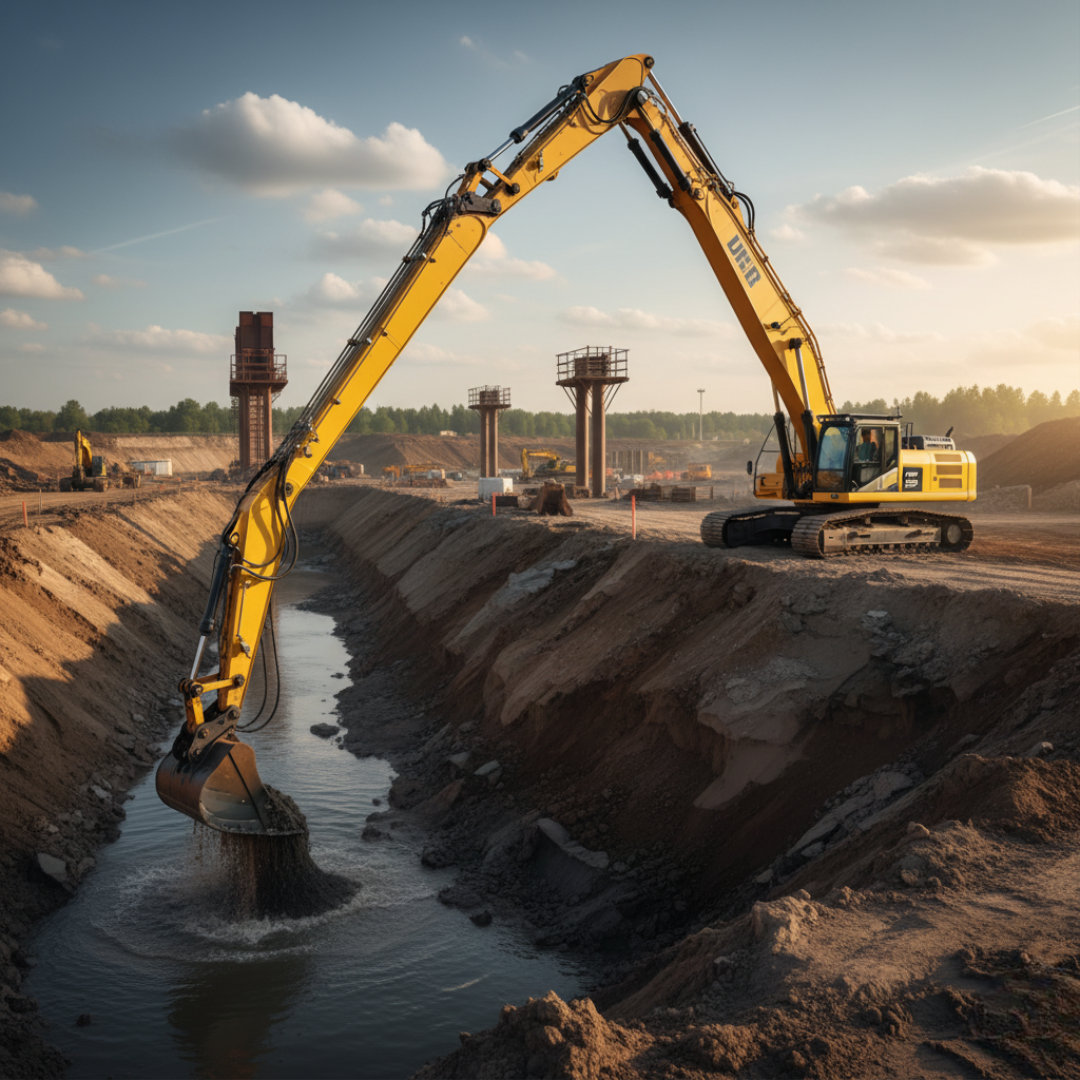
A long-reach excavator equipped with an extended arm and boom system, which is extended from 40 to 100 ft. It's allowing the excavator operator to perform tasks like industrial demolition or heavy-duty digging effectively. Combined with a rotating platform, it can additionally use various attachments like shears, crushers, and grapples for different tasks.
Key Features
- Give a long working range for tasks completed from a distance.
- Built from robust components to efficiently destroy structures.
| Pros | Cons |
| Suitable option for dredging operations and demolition structures. | Due to its long boom, it is not suitable for working in confined spaces. |
| Ability to use multiple work tool attachments in many applications | High maintenance and operational costs |
Most Suitable Long Reach Excavators in India
Mini Excavators
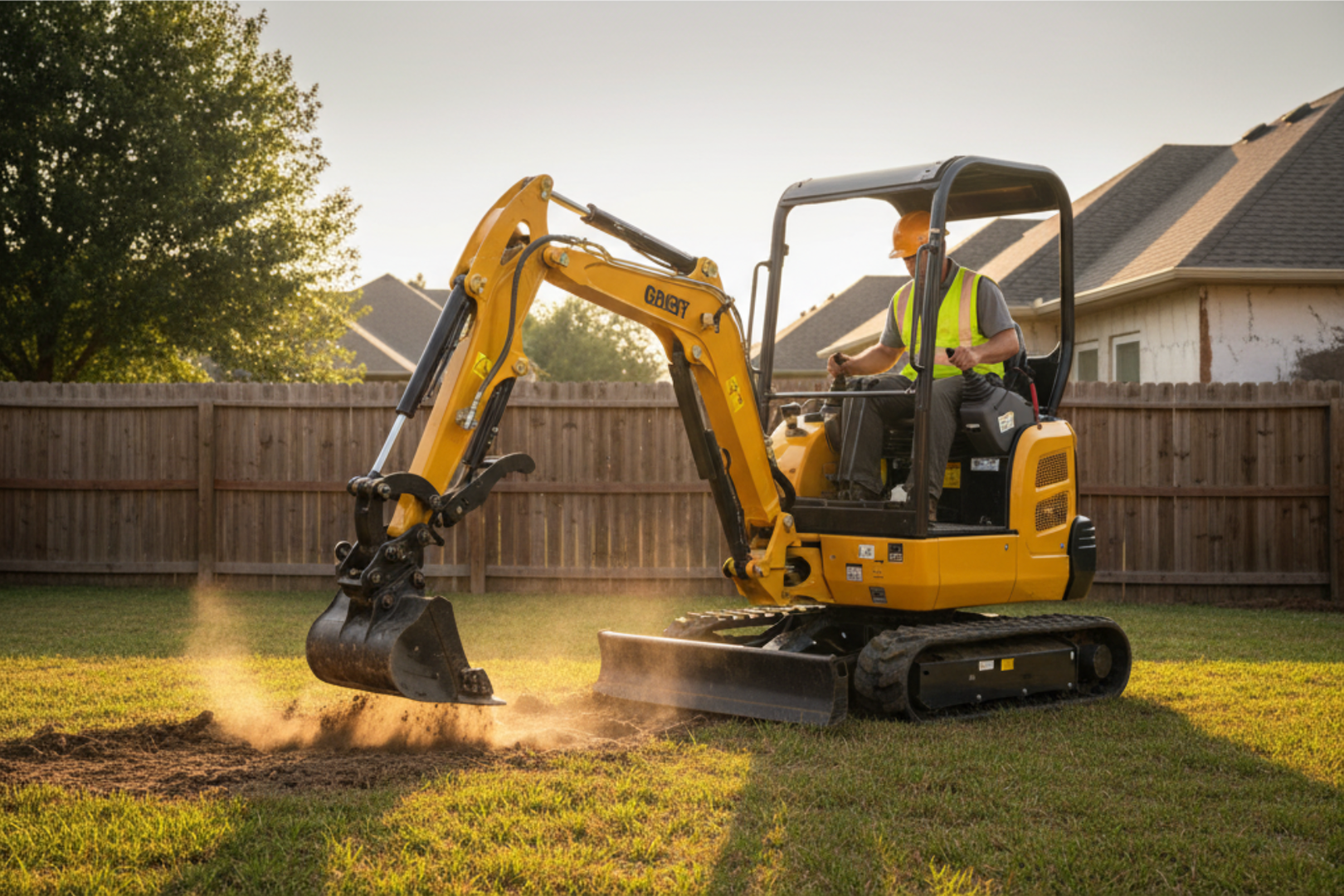
Mini excavators are smaller and lighter versions of standard excavators. It is designed for landscaping, utility work, and urban construction. With reduced tail swing or zero tail swing and a short swing radius, the superstructure. These compact machines are used in confined areas and tight spaces.
Key Features
- Equipped with a blade and bucket, which can work in multiple applications
- Due to its compact size, it provides efficient work in tight spaces
| Pros | Cons |
| Capable of working in any tight and confined spaces | Not suitable for heavy-duty projects |
| Lower fuel and operational costs | Slower digging speed compared to medium excavator sizes |
Most Suitable Mini Excavators in India
Amphibious Excavators
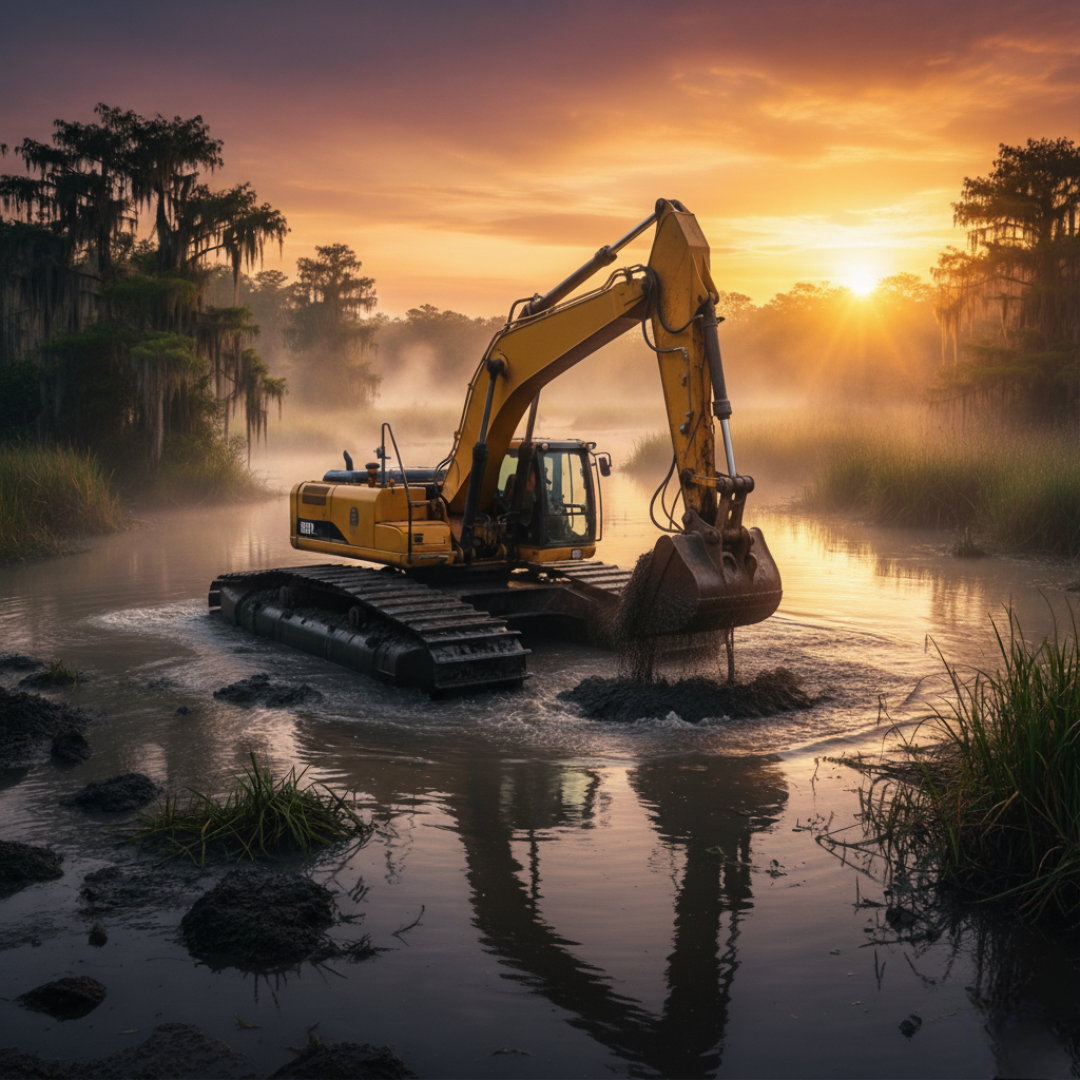
Amphibious excavators are modern hydraulic excavators specially designed to operate on both land and water. It comes with pontoon and floating track systems, which allow for efficient working in wetlands, rivers, lakes, and swampy environments. This heavy equipment provides high performance and stability on water surfaces.
Key Features
- Designed for rivers, lakes, and dredging operations
- Provide power and stability under water and in wetlands.
| Pros | Cons |
| Operates on both land and river | Higher maintenance and operational costs compared to standard excavators |
| Equipped with pontoons and floating tracks for safe | Not performing accurately on harsh and rocky ground surfaces |
Power Shovel Excavators
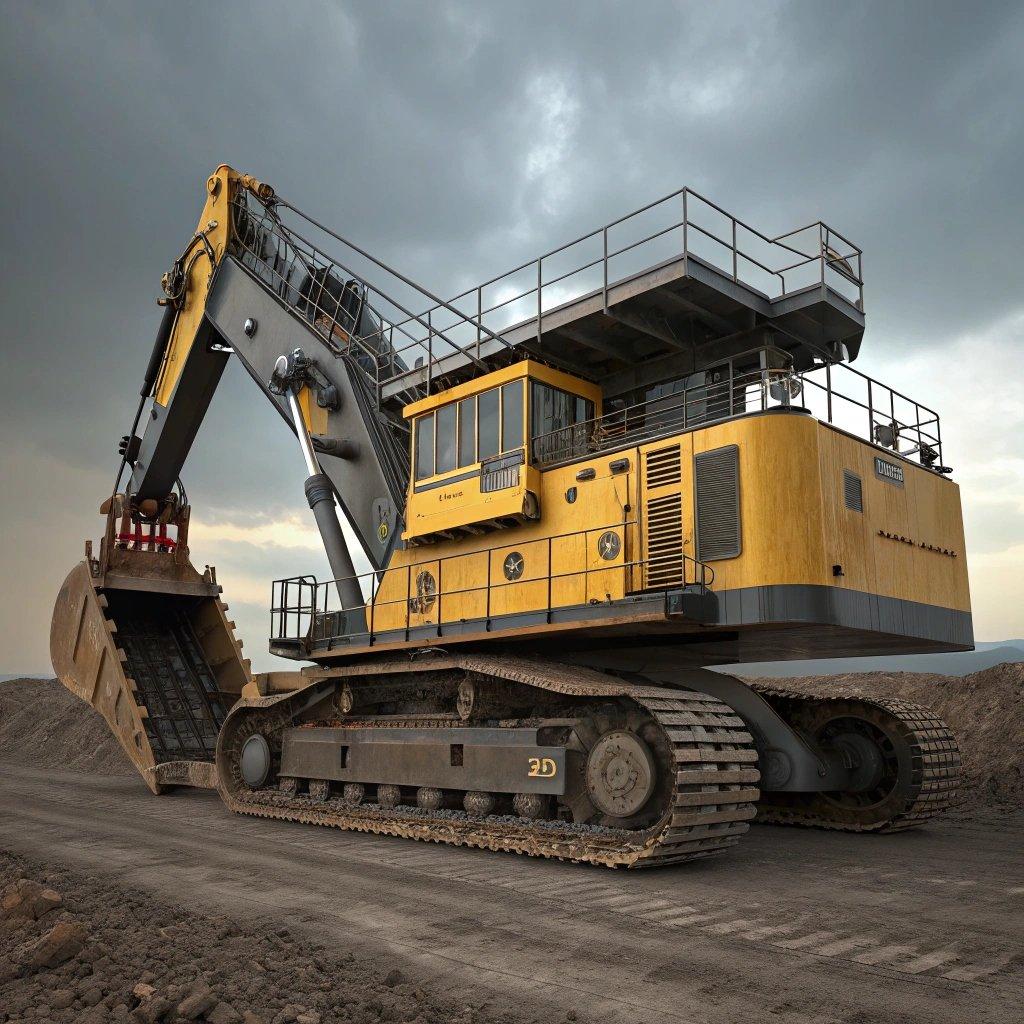
Power shovel excavators are a type of large excavator designed for heavy-duty digging and loading tasks in various applications. These powerful machines are also known as hydraulic shovels. Combined with a huge bucket capacity, this makes them a suitable option for challenging job sites. These machines are widely used in construction, mining operations, and deep trenching projects.
Key Features
- Equipped with a large bucket size for handling a huge volume of materials
- A hydraulic shovel designed for efficient digging holes and loading operations
| Pros | Cons |
| Ideal for deep trenching holes and large earthmoving projects | It comes in a large excavator size, which results in high transportation costs. |
| Faster and larger material handling capacities due to its huge bucket size | Heavy fuel consumption, which provides high emissions and impacts the environment, compared to smaller excavators |
Most Suitable Power Shovel Excavators in India
Popular Excavator Attachments
You must know about different excavator attachment tools to maximise your excavator productivity. Below are listed some of the commonly used attachments, which help you maximise your profit.
Bucket
Buckets are the most used in some excavator types, like crawler excavators, and are sometimes used in backhoe loaders also. They are specially designed for digging, scooping, and carrying tasks. They increase productivity and reduce manual work by moving large volumes of material quickly. Buckets are used in construction, road maintenance, and landscaping projects.
Auger
Augers are drilling tools that can help you make holes in the ground. They save time and cost by providing constant depth and accuracy. This attachment is widely used in agriculture, utility installations, and foundation works. Augers work efficiently with many excavators, including crawler excavators and backhoe excavators as well.
Breaker
Hydraulic breakers are commonly used in demolition works and construction sites. They are also known as hydraulic hammers, which help operators in crushing and breaking rocks, asphalt, and concrete. Offers high speed and improved fuel efficiency in many tasks. Hydraulic breakers are used with many excavators, including mini excavators and long-reach excavators, in different sizes.
Clamp
This attachment offers high lifting capabilities by gripping and holding unshaped loads like logs, pipes, or scrap. They increase material handling capabilities, reduce manual work, and reduce accidents in on-site operations. Clamps are commonly used in forestry, waste management, and harbour construction for handling uneven materials easily.
Coupler
Excavator couplers help in quickly changing attachments without using manual tools. They save time on construction sites. By using a coupler, modern excavators can handle multiple operations on one job site. Most commonly used in construction projects and utility works.
Shears / Crushers
Shears and crushers are powerful excavator attachments designed to cut and crush various materials such as steel beams and reinforced concrete. They are commonly used in different excavator types, including wheeled excavators and compact excavators. Shears and crushers are key tools in some applications like scrapyards, recycling facilities, and building demolition operations.
Rippers
Rippers are built from high-strength components, which can be used to break hard ground surfaces, frozen soil, or rocks. Their robust material offers faster and more efficient digging operations. Rippers are comfortably used with many excavator types, including wheeled excavators, mini excavators, and compact excavators as well. With extended booms, rippers help to reach deeper or tougher surfaces.
Grapples
Grapples are designed for picking, sorting, and moving bulk materials. delivers a strong grip on materials and reduces accidents. Grapples are made to work faster and more safely on material handling sites. Grapples are used with any excavator type, even mini excavators and compact excavators, in industries like forestry, recycling, and construction projects.
Choosing the Right Excavator and Attachment for Your Project
Selecting the right excavator machine and its attachments is essential for increasing a project's efficiency and reducing operational costs. From crawler excavators to long-reach and demolition excavators, each type has different hydro excavation capabilities.
Using the right attachments with excavators provides high productivity and increases fuel efficiency in any application. Platforms like MachineWale help you buy, sell, or rent excavators with their trusted networks.
Start Managing your Business Automation from Anywhere.
Get Started Now