Bulldozers vs. Excavators: Which Best Fits Your Needs?
Updated on February 23, 2026
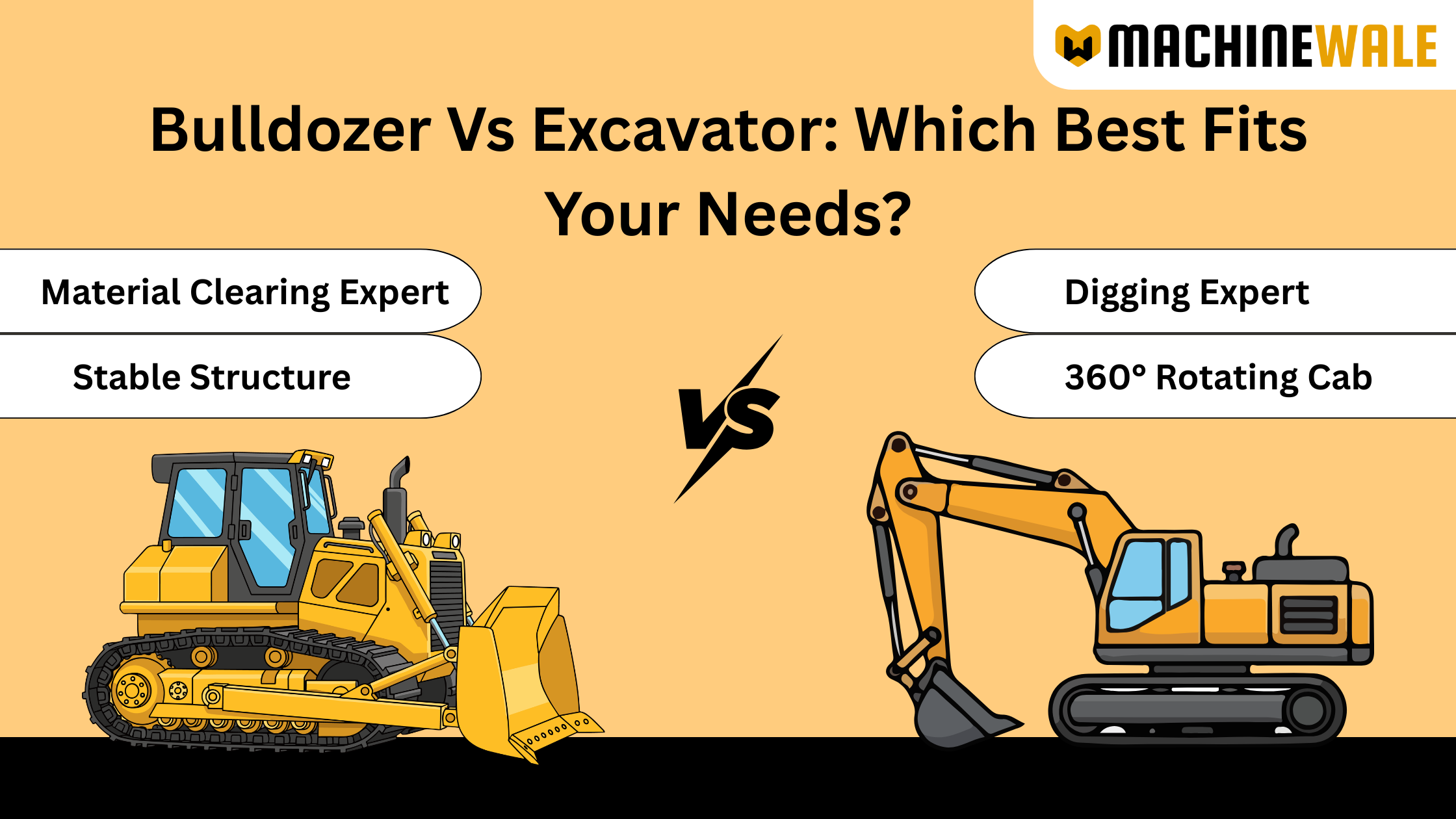
Choosing between a bulldozer and an excavator is critical for maximising productivity, fuel efficiency, and profitability on any construction project. Both machines play key roles but serve different purposes. Bulldozers are specially designed for pushing, grading, and levelling on worksites, while excavators are built for digging, trenching, and lifting operations.
Understanding the key differences, such as productivity, performance, advantages, and applications, helps you select the most suitable equipment for your projects and reduce operational costs.
Explore the detailed comparison shared below and choose the best equipment that best fits your project needs.
What Is a Bulldozer?
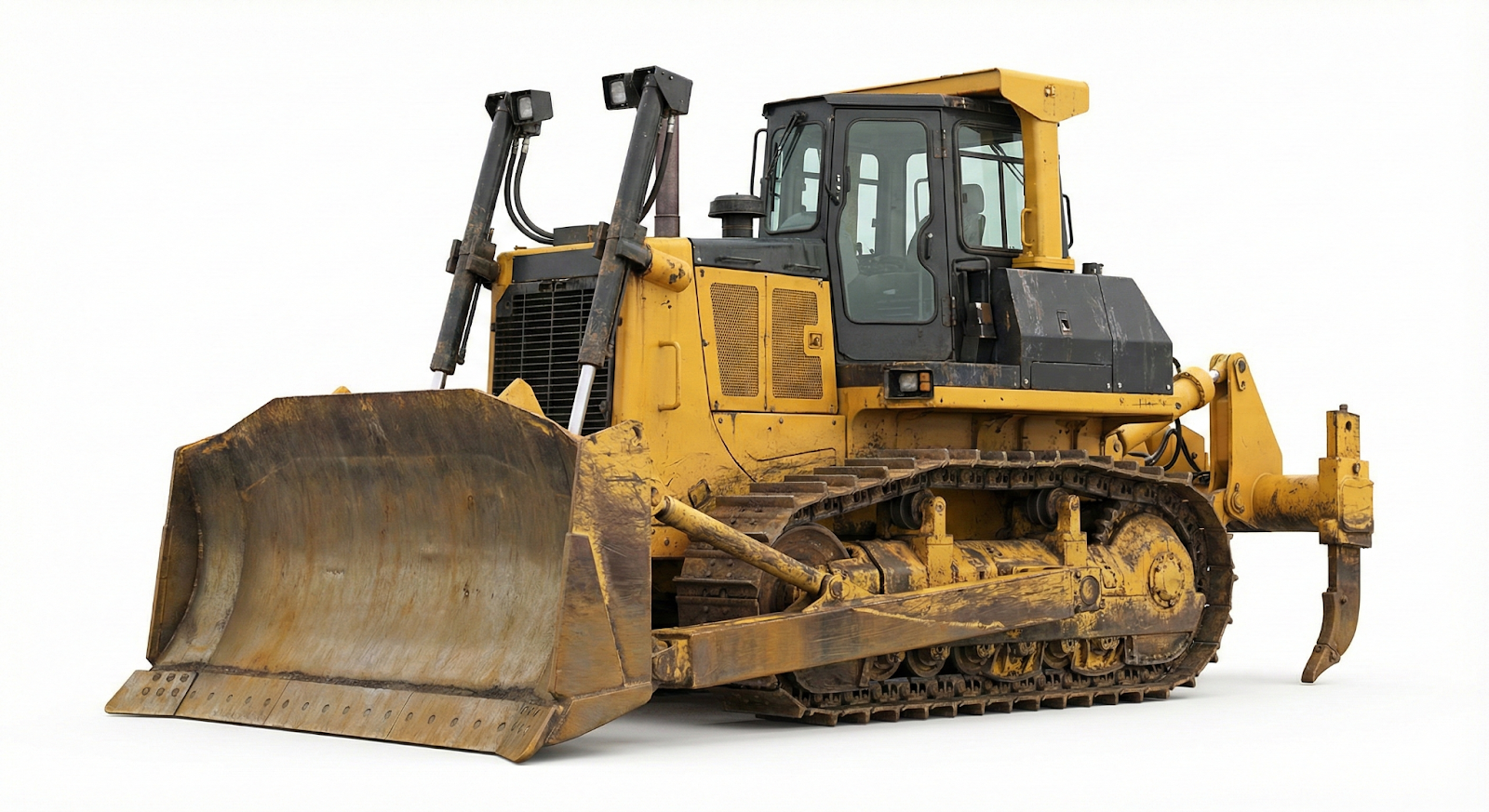
A bulldozer is one of the most essential equipment in the construction industry, which is mostly used in moving and pushing large amounts of soil, debris, or other materials. A bulldozer combines a blade in front and a ripper attachment in the rear (if needed); also, it moves on tracks with a powerful engine. Its blade is mostly used in all tasks, including shaping land, and is adjusted for specific depths and angles.
What Is an Excavator?
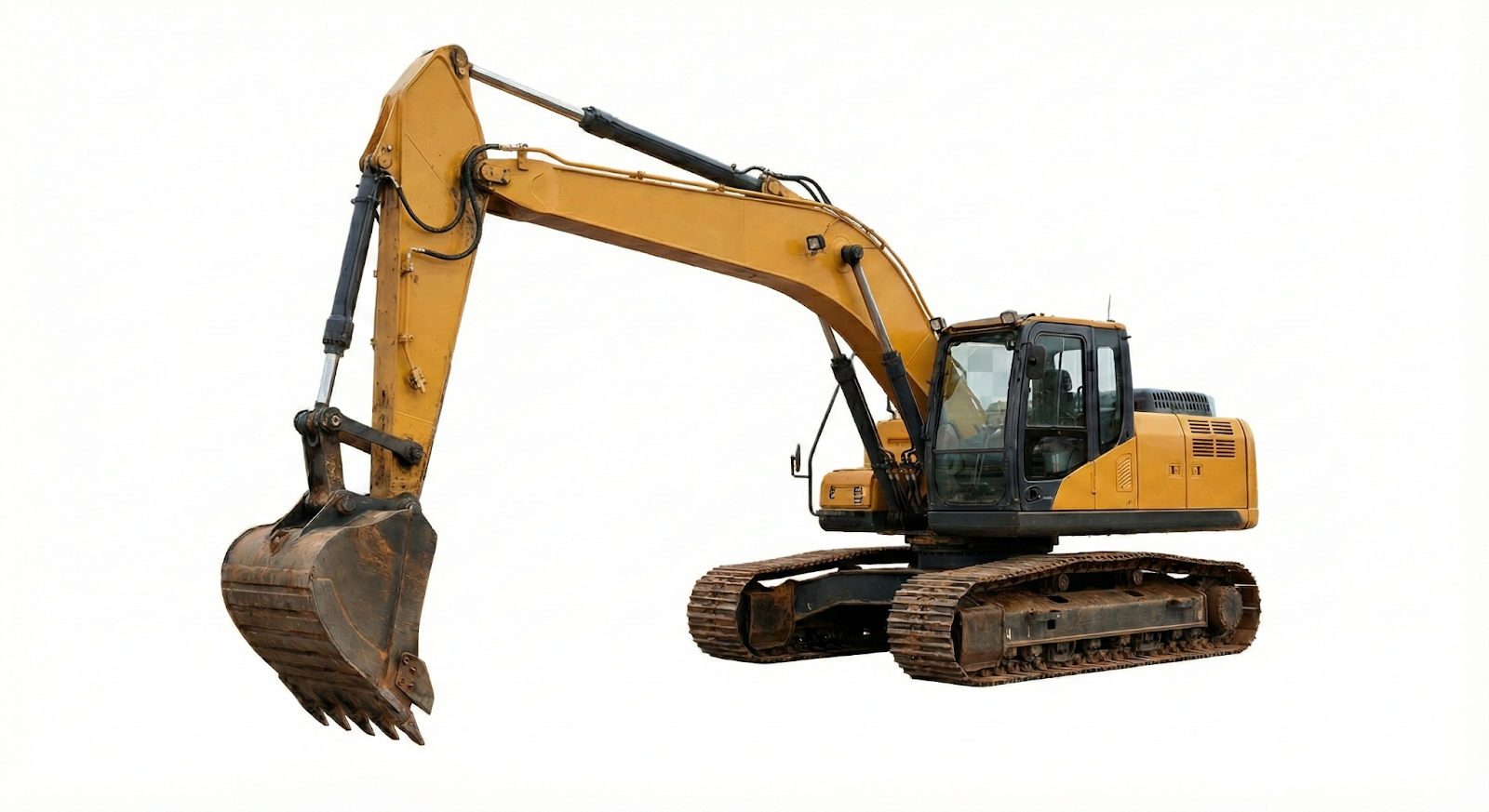
An excavator is known for its strength and toughness in any environmental conditions. This machinery is mostly used in digging and trenching operations. An excavator equipped with a large bucket, a 360-degree rotating cabin, and a superior hydraulic system moves on tracks. Excavators are built to perform in many applications such as mining, demolishing, utility work, quarrying, and more.
Bulldozer vs Excavator: Key Differences
Below are listed some of the key differences between the bulldozers and excavators.
1. Structure and Design
Excavators are mostly combined with a long arm and a large bucket. It's available in two variants: crawler and wheeled. Both are used for different tasks and applications. Additionally, the excavator can work in 360 degrees due to being fitted with a rotating cabin.
Bulldozers are equipped with a blade in front and a ripper in the rear (if needed). Bulldozers are mostly used with tracks, but their wheeled version is also available for specific tasks and places. Bulldozers are required equipment before starting any construction project for site preparation.
2. Primary Function and Purpose
Excavators are specially designed to handle various tasks such as digging, excavation, trenching, and demolition. These are the primary tasks of an excavator. It's mostly utilised in construction, infrastructure development, building demolition, mining, and quarrying. The excavator performs any tasks with ease due to its 360-degree rotating cabin.
Bulldozers have a long blade, which performs many tasks like pushing and spreading materials, levelling, and grading land. Built for some specific applications, including land clearing, site preparation, earthmoving tasks, and spreading materials. Additionally, its ripper attachment in the rear is also used in some specific applications like pavement demolition and breaking up hard ground.
3. Terrain Suitability
Excavators don't provide superior stability because they are designed with a high centre of gravity, and also, they perform with their weight and hydraulics. Crawler excavators provide more stability in any terrain compared to wheeled excavators.
Bulldozers provide more stability compared to excavators due to their low centre of gravity design. They are equipped with a wide and long track that provides more stability. Wheel dozers are not stable compared to track dozers. Bulldozers are also known for their traction control in any terrain.
Additionally, traction and stability depend on the ground conditions, whether you have a bulldozer or an excavator.
4. Digging vs Clearing Capabilities
Excavators are specifically designed for digging activities. They are the ideal choice in digging operations due to their long arm and large bucket capacity. Typically, excavators have an option to attach a small blade for some clearing and levelling tasks, but they don't provide accurate results.
Bulldozers are ideal for clearing and spreading operations. Combined with a long and wide blade, it provides accurate results in grading and clearing tasks. Normally, bulldozers are not used in digging operations because they don't provide the depth and reach needed compared to excavators.
5. Attachments and Flexibility
An excavator is able to work with multiple attachments, including augers, rippers, couplers, rock breakers, and many more. Additionally, some types of attachments depend on the excavator's size. For example, the power shovel attaches only to large-sized excavators. And some of the attachments are attached only to small or mini excavators.
Bulldozers have only one attachment, like a blade at the front of the equipment. Additionally, the bulldozer has an optional ripper attachment in the rear. Bulldozers also come in small, medium, and large sizes, the same as excavators. Bulldozers are using different blade sizes based on the bulldozer size.
6. Power and Performance
Excavators are more powerful in digging deep trenches. They combine with hydraulic breakout force and reach, which makes them ideal and highly productive in digging and trenching operations. Additionally, they are the best machines for breaking up hard rocks due to their attachment capacity.
Bulldozers provide higher performance in levelling a site. They are the ideal choice for levelling activities by professionals. Bulldozers are combined with a drawbar pull and a wide blade, which helps them be efficient in levelling activities and spreading materials.
Generally, both equipment can generate power for specific tasks and activities, and also both are designed to provide higher performance in different applications.
Choosing Between a Bulldozer and an Excavator
In simple terms, select the heavy equipment based on your project size, operation type, and terrain. Remember, the core difference between bulldozers and excavators is that the excavator is commonly used in digging, lifting, and excavation work where a high hydraulic breakout force is required. The bulldozers are built for pushing, grading, and spreading materials with high traction force.
Choose the right equipment based on whether your job needs deep digging or powerful pushing. Visit the online platforms like MachineWale; it helps you in selecting the right equipment for your projects with expert guidance and dedicated support. Additionally, you can buy, sell, and rent heavy equipment through the platform and easily compare machines' specs and choose between a bulldozer and an excavator, whichever best fits your needs.
Start Managing your Business Automation from Anywhere.
Get Started Now