12 Types of Cranes Used in Construction
Updated on February 23, 2026

Cranes are essential heavy machinery used in construction and industrial work. Different types of cranes are used for various tasks, such as lifting, moving, and transporting heavy loads safely across job sites. For example, tower cranes are used in high-rise buildings, while overhead cranes and gantry cranes are used in warehouses and yards. These construction cranes provide maximum productivity, improved worker safety, and smooth handling of heavy materials even in tight spaces.
What is a Crane?
A crane is a powerful heavy equipment designed to lift and move heavy loads. They are commonly used in construction sites and infrastructure projects. Cranes are essential for vertical and horizontal material handling tasks.
Cranes come with a combination of a powerful hydraulic system along with a block and tackle mechanism. These combinations work together using hydraulic pumps, control valves, pulleys, and cables during the lifting operations and move heavy loads efficiently. Their powerful lifting capability helps in multiple tasks such as unloading cargo, assembling structures, and transporting heavy materials. From building bridges to high-rise towers, cranes offer efficient and safe lifting operations.
Types of Cranes in India
Different types of cranes are designed to handle extremely heavy loads efficiently and safely across India's construction industry. Some of the most popular cranes used in construction projects across the country are listed below.
Mobile Cranes

Mobile cranes are powerful machines designed to efficiently move between job sites. They can lift heavy objects using their latest crane technology, like hydraulic cranes and boom-mounted systems. They are used in infrastructure development and industrial lifting operations. Some of the major mobile cranes are listed below with their usage.
Truck-Mounted Cranes
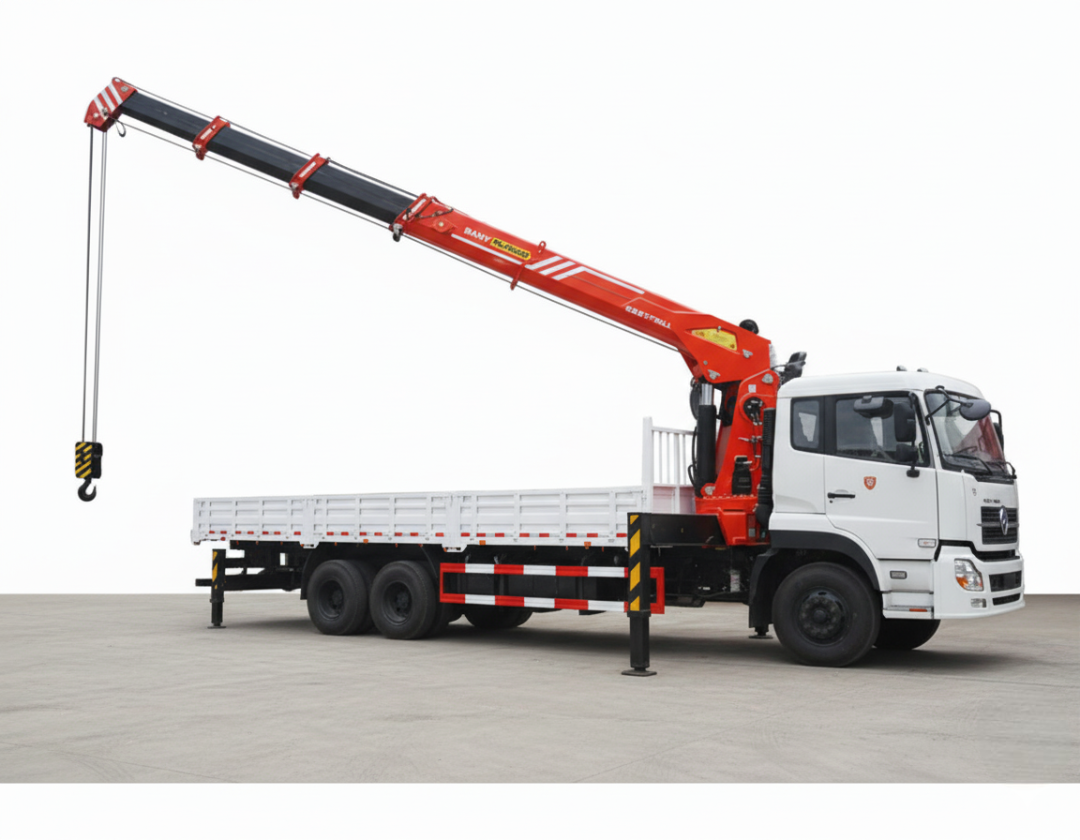
Truck-mounted cranes, also known as truck cranes, are widely used in the construction industry for safely carrying and moving materials. These cranes operate smoothly on various job sites and tasks. They are mostly used in construction, infrastructure development, and utility construction.
Rough Terrain Cranes
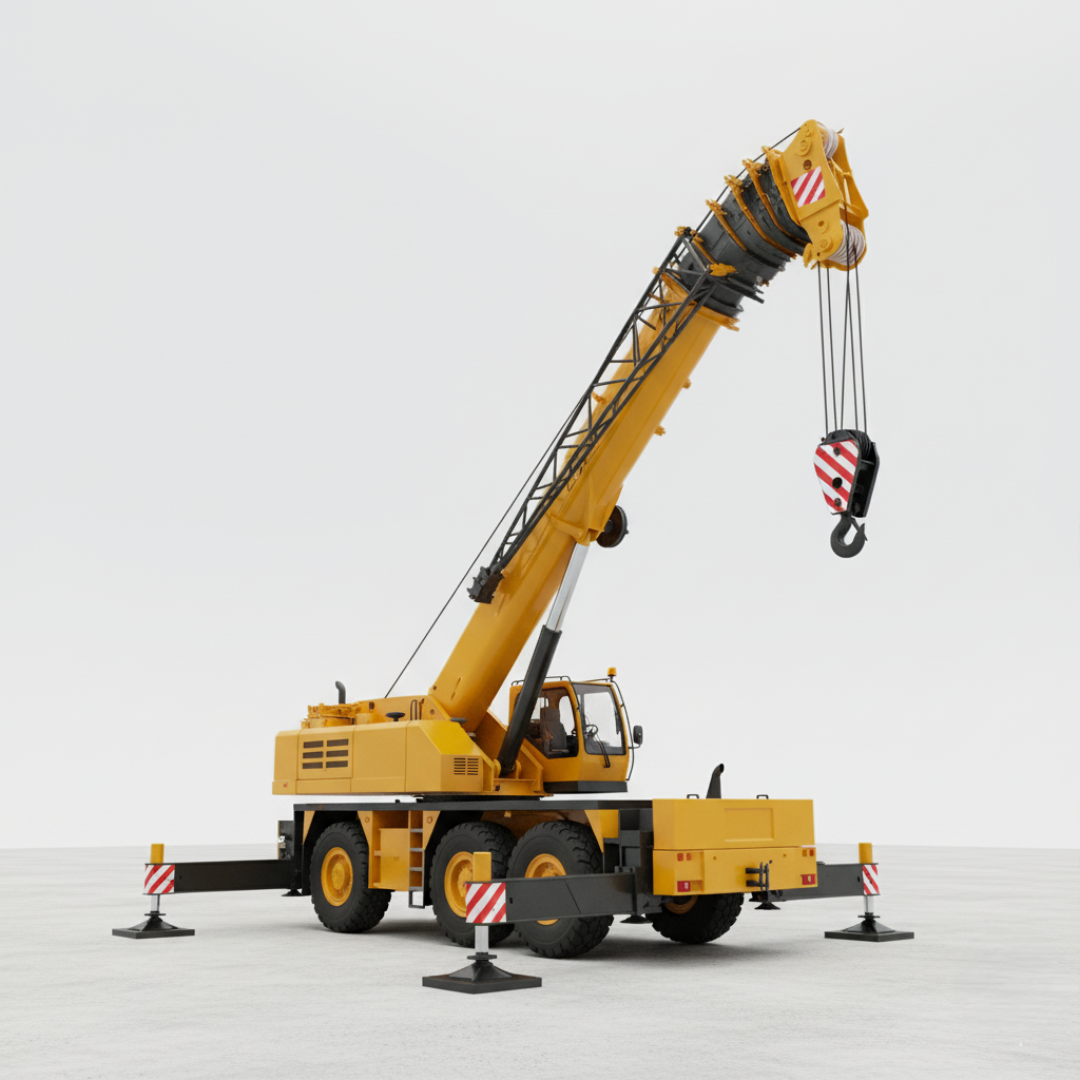
Rough terrain cranes are mostly used in uneven and rugged job sites. They provide stability and balance on multiple applications, such as off-road surfaces and hills. Terrain cranes are equipped with powerful tires and strong suspension, making them perfect for construction projects in challenging environments.
Crawler Cranes
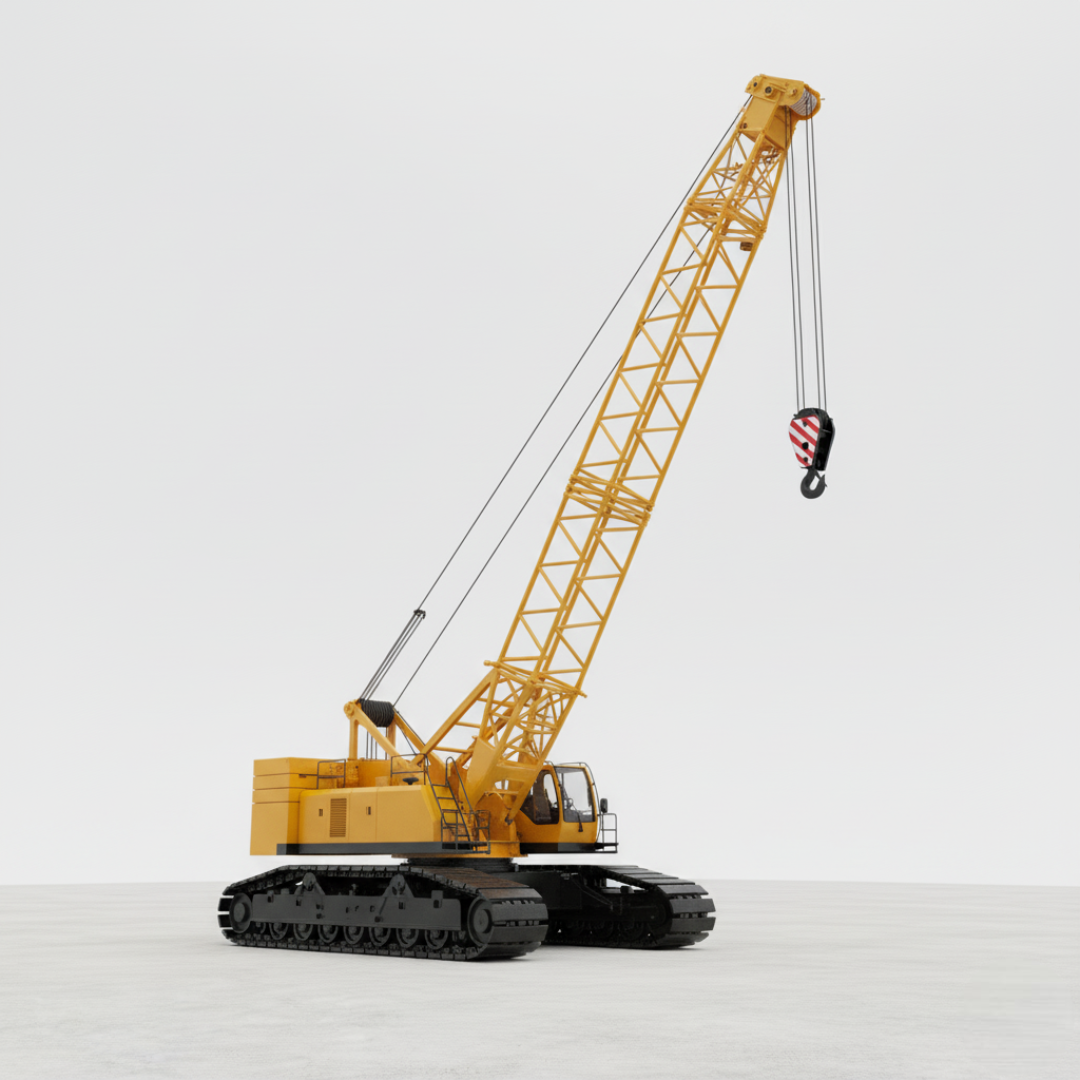
Crawler cranes are equipped with tracks instead of wheels. They can help lift extremely heavy loads and are the perfect partner for large construction projects like bridges, power plants, and yards. Crawler cranes are widely used mobile cranes across the construction industry.
All-Terrain Cranes
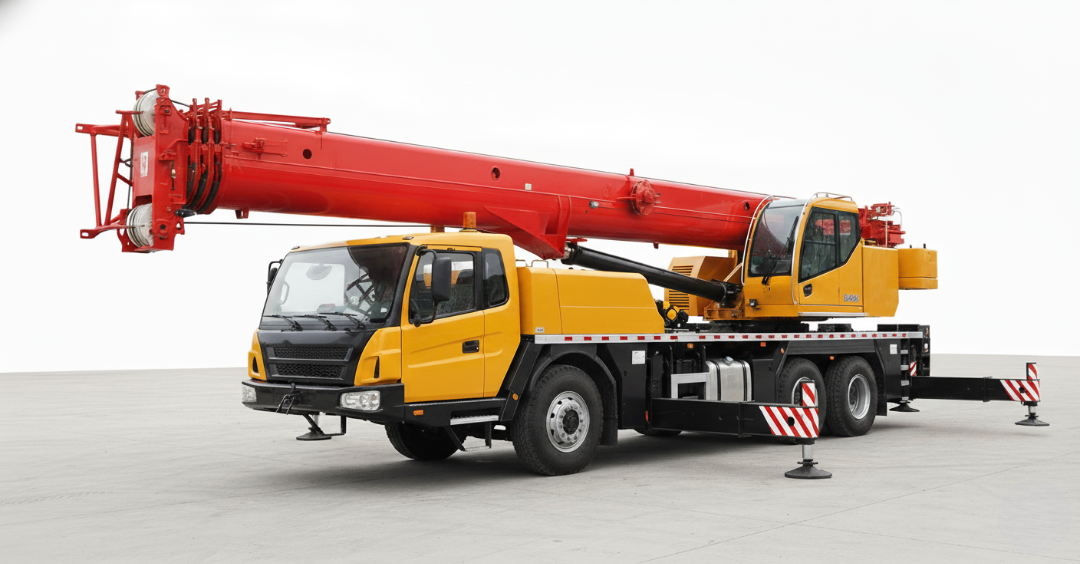
All-terrain cranes are designed to work on both on-road and off-road surfaces with all-wheel-drive features. These cranes are equipped with hydraulic crane systems and a telescoping boom. These heavy cranes can travel between two job sites and perform heavy lifting efficiently.
Carry Deck Cranes

Carry deck cranes are compact-sized deck cranes. This crane operates efficiently and smoothly in confined spaces. They are perfect for indoor construction projects that involve moving materials between two sites. The carry deck crane's lifting capacity ranges up to 25 tons in any working area, whether it's a tight space or a large area.
Telescopic Cranes
Telescopic cranes are combined with telescoping booms that can extend or retract to reach different heights during the operations. Their hydraulic system is used in many applications, from small to large construction projects and handling extremely heavy loads at any height.
Fixed or Static Cranes
Fixed cranes are also known as static cranes, which are permanently fixed, installed machines designed for lifting heavy loads at one location. These fixed cranes are designed specifically for providing stability and reach on tall or large building constructions. These construction cranes are commonly used in high-rise projects and bridge construction work where lifting tasks are required.
Tower Cranes

Tower cranes are the most popular fixed cranes, which are used to construct tall buildings in India. Tower cranes are equipped with a horizontal beam and a powerful hydraulic lifting mechanism, which helps to lift heavy materials at various heights. Additionally, self-erecting tower cranes, a type of tower crane, are used for faster setup at smaller construction sites.
Gantry Cranes (Portal Cranes)
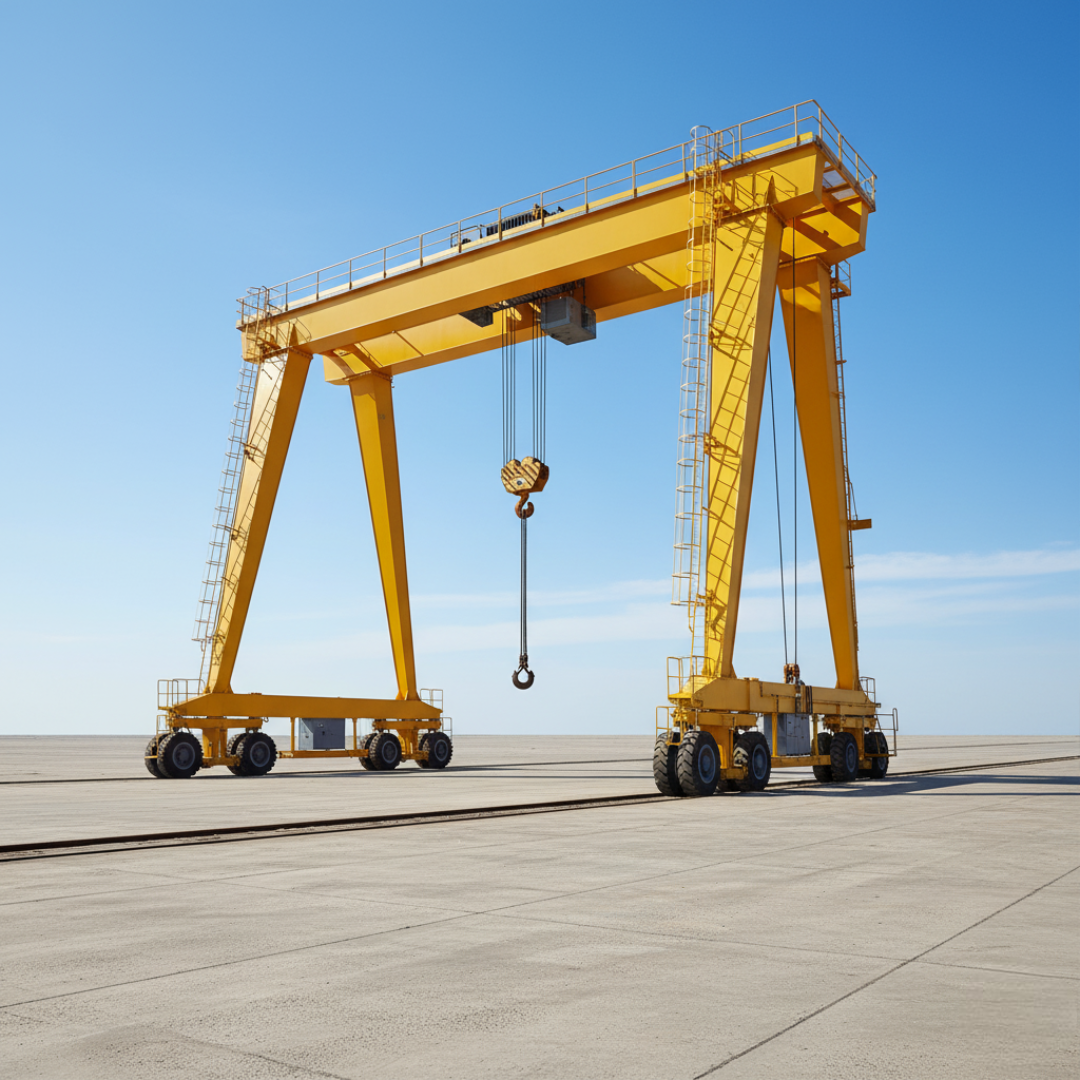
Gantry cranes are also known as portal cranes. They are designed for lifting heavy loads in various applications such as shipyards, factories, or warehouses. Gantry cranes are large construction cranes that move along tracks and are supported by two giant legs, helping crane operators to move large objects and loads easily and smoothly.
Overhead Cranes (EOT Cranes)
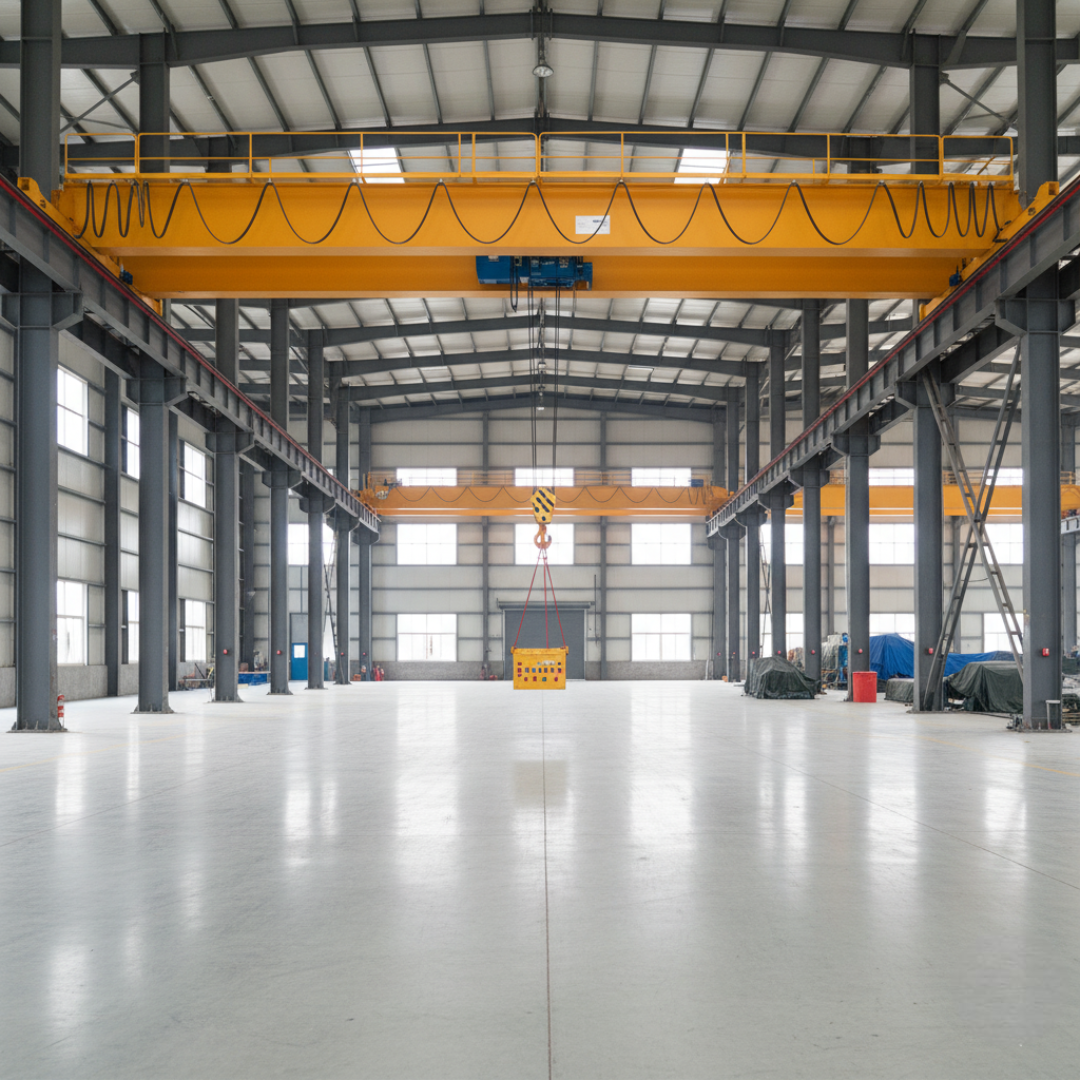
Overhead cranes, or EOT (Electric Overhead Travelling) cranes, are designed to move heavy materials with the help of a horizontal beam inside warehouses or workshops. These types of cranes provide safety and smooth lifting for both heavy loads and lighter loads in manufacturing plants and factories.
Jib Cranes
Jib cranes come in a smaller size with a rotating arm that extends horizontally. This crane is perfect for lifting lighter loads in various applications like workshops, assembly areas, and more. Jib cranes provide speed and accuracy for moving materials.
Hammerhead Cranes
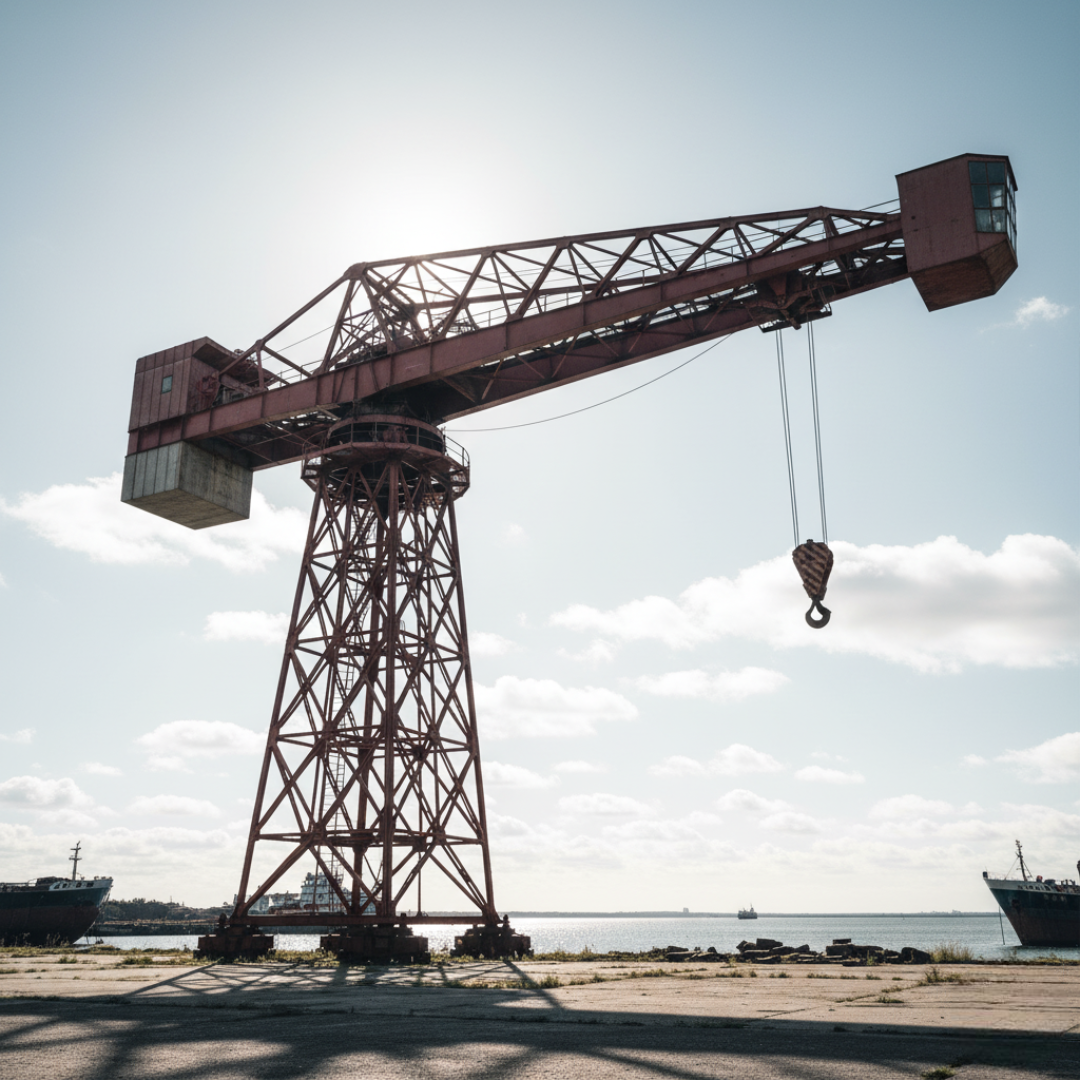
Hammerhead cranes come with a tall tower, which is ideal for lifting heavy loads on construction sites. They have a horizontal beam, which rotates 360 degrees and helps operators to move heavy materials effectively during operations like bridge construction and high-rise buildings.
Floating Cranes (Marine Cranes)

Floating cranes are also known as marine cranes. They are mounted on ships for offshore lifting tasks. This crane is designed to handle heavy cargoes in ports, docks, or marine bridge building projects. Floating cranes are commonly used over water where land-based cranes are not operated.
Choosing the Right Cranes for Your Project
Choosing the right cranes for construction is required to maximise productivity and improve site safety in any project. Each project needs different types of cranes, from mobile tower cranes to bridge cranes, to provide efficiency and stability on site. In this modern construction era, understanding the types of cranes and their usage is a must for every individual or organisation to achieve high productivity and save time.
To make this process easier, MachineWale provides a platform where users can discover, compare, buy, sell, or rent a wide range of new or used cranes in one place. Helping you in finding the ideal crane for your project.
Start Managing your Business Automation from Anywhere.
Get Started Now